A Dutch influencer with millions of followers was taken into U.S. immigration custody at Newark Airport and moved to a private detention center, with officials offering no public reason for the hold.
Story Highlights
- Multiple outlets report Vera Dijkmans was detained by U.S. immigration officers at Newark Airport.
- Family says she remains at Delaney Hall Detention Center in New Jersey.
- Officials have not publicly stated the legal basis for her detention.
- Reports identify Delaney Hall as a private facility under a long-term federal contract.
Confirmed Custody And Timeline At Newark Airport
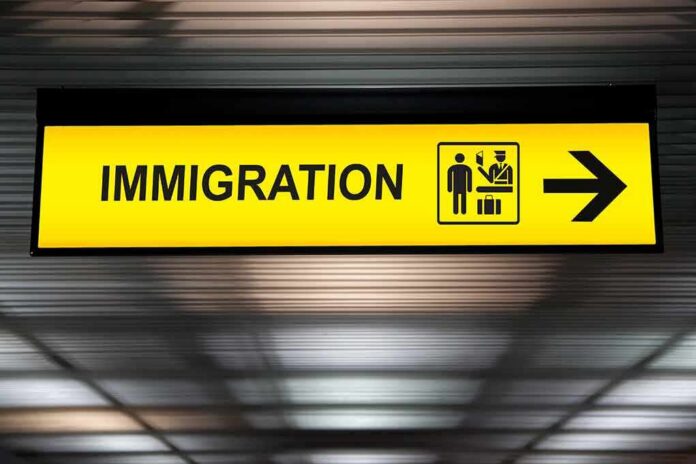
News reports from the Netherlands and the United States state that U.S. Immigration and Customs Enforcement officers detained Dutch influencer Vera Dijkmans after she landed at Newark Liberty International Airport during the week of November 11, 2026. Family statements relayed by media describe an airport apprehension and transfer to custody. Outlets cite relatives who say she was not allowed to take her personal items at the time of the arrest, underscoring a sudden intervention by officers at the airport.
Coverage aligns on the location and custody status. Family posts shared by news sites say Dijkmans remains held at Delaney Hall Detention Center in New Jersey. Reports describe the move as occurring after a flight from Miami, though stories differ on her travel purpose. Those details do not change the central fact that she entered federal custody at Newark and is still detained, according to relatives and several newsrooms that cited them on the record.
Detention Site Operated By A Private Contractor
Reports identify Delaney Hall as an immigration detention facility run by The GEO Group under a long-term contract with U.S. Immigration and Customs Enforcement. Dutch media cited a 15-year agreement awarded in 2025 that allows detention of up to one thousand people at the site. That private setup fuels public concerns about money shaping how people are held, especially when a case draws wide attention but few official details are released.
Congressional research explains that immigration detention policy gives the government wide control over custody during and after removal proceedings. Judges often cannot change conditions for whole groups held under mandatory rules. That means the agency sets where and how someone waits, and private operators carry out daily care under contract. These rules help explain why people can be held while officials sort out legal status or past case history.
What Officials Have And Have Not Said
As of the latest reports, U.S. Immigration and Customs Enforcement has not publicly stated the legal basis for Dijkmans’s detention. Media relay claims from family about visa status and missed appointments, but they do not cite an official case file, a court notice, or a removal order. Without those records in public view, the stated facts rest on clear reporting of custody and location rather than agency documents posted for review.
Airport cases often involve a legal idea known as the “entry” fiction. Courts have allowed the government to treat a person at inspection as not yet admitted, even if on U.S. soil. That rule can narrow rights in the short term and makes secondary inspection and detention possible. Government guidance also explains that the right to counsel does not generally attach at secondary inspection before formal charges are filed.
Why This Case Resonates Across Politics
This story mixes high-profile celebrity and low-visibility process. Supporters of tighter borders will see firm enforcement at a major airport. Critics of the system will focus on limited public answers, private detention, and reports of tough conditions. Both sides often agree on one thing: large systems can put people into a black box where money flows, paperwork lags, and public trust suffers when agencies say little and contractors do most of the holding.
🚨🇺🇸 ‘World’s most wanted’ OnlyFans model DETAINED by ICE
Dutch model Vera Dijkmans, 29, was detained at Newark Airport after flying in from Miami.
She has 6 million Instagram followers and once received 5,000 boyfriend applications.
Her family says she was on a tourist visa,… pic.twitter.com/DGz9iCDqiT
— Mario Nawfal (@MarioNawfal) November 17, 2026
The bigger takeaway is not about a social media brand. It is about how the United States uses broad powers at ports of entry, leans on private beds to hold people, and shares few details while cases move. That design has been built by both parties across many years. It now operates under President Trump and a Republican Congress, but the core machinery reflects choices made long before them and kept in place over time.
Sources:
linkedin.com, news.com.au, rawstory.com, nltimes.nl, dutchnews.nl, yahoo.com, dutchreview.com, congress.gov, constitution.congress.gov
© conservativesense.com 2026. All rights reserved.