Hours before major U.S.–South Korea drills, President Trump ordered a sharp cutback, citing cost and signaling to North Korea.
Story Snapshot
- Trump said he told the Pentagon to “substantially reduce” joint drills with South Korea.
- He argued the exercises are costly and send the wrong signal to North Korea.
- The cutback came on the eve of the planned Ulchi Freedom Shield exercises.
- Details on the exact scope of reductions were not specified in initial reports.
What President Trump Announced and Why It Matters
President Trump said he instructed Secretary of War Pete Hegseth to “substantially reduce” joint military exercises with South Korea. He tied the move to high costs and said large drills send an “inappropriate and hostile” signal to North Korea. The statement set policy expectations at the top and arrived during an active security moment on the peninsula. The message also echoed earlier periods when Washington adjusted drill size and timing during diplomatic outreach with Pyongyang.
Trump’s cost claim fits his long push to trim defense outlays he views as wasteful. He argued there is “no reason” to spend large sums on these exercises. Supporters often see this as putting America’s budget first. Critics often worry that cutting combined training could dull readiness. The reporting cited Trump’s justification but did not include a Pentagon cost breakdown in this first wave of coverage.
What Was Scheduled on the Ground
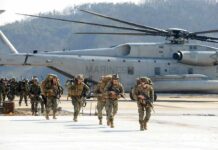
South Korea and the United States had planned the annual Ulchi Freedom Shield drills for August 17 to 27. Reporting described an 11-day event with thousands of South Korean troops and focused training for modern threats. Scenarios included countering drones, coping with satellite navigation disruptions, and responding to cyberattacks. These drills are designed to keep forces sharp, practice complex tasks, and move equipment where it would be needed in a crisis.
North Korea regularly denounces these exercises and had already criticized the upcoming drills before Trump’s cutback order. Pyongyang’s state media called the training hostile and warned it would raise tensions. This is a familiar pattern. Exercises are meant to deter an attack, but they also signal strength. That signal can provoke harsh words from the North, even when the drills are defensive by design. The push and pull has defined alliance management for decades.
What We Know and What We Do Not
Published reports said Trump issued the instruction, but they did not include the written directive or final execution details at that time. The phrase “substantially reduce” lacked specifics on which events would be scaled down, what live-fire parts might be cut, or how future drills would be shaped. Initial stories also did not carry a matching announcement from the Pentagon or U.S. Forces Korea confirming the exact implementation on the same day.
South Korea hopes for talks between US and North Korea after Trump downsizes military drills https://t.co/KABM8mlOvV
— News 19 (@whnt) August 17, 2026
Defense planners have at times changed these drills to support diplomacy or to refocus training. Research and past practice show officials can adjust size, scope, volume, and timing to match risk and cost while preserving core skills. Supporters of reductions argue smart changes can save money and lower friction with the North. Others warn that cutting joint training risks undercutting readiness and alliance confidence if done too far or too fast.
Why Both Sides of U.S. Politics Are Watching
Many conservatives view large overseas drills as pricey and want clear returns for American taxpayers. Many liberals fear sudden cuts could erode stability and widen the gap between rich and poor if conflict risks rise. Both groups share a deeper worry: leaders in Washington often act first and explain later. Clear plans, transparent costs, and straight answers from the Pentagon could calm these concerns. Documents that show scope, savings, and readiness impacts would help everyone judge the tradeoffs.
Sources:
internazionale.it, reuters.com, pbs.org, axios.com, abcnews.com, bloomberg.com, stimson.org, military.com
© conservativesense.com 2026. All rights reserved.