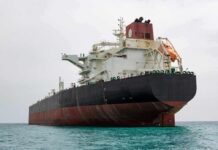

Americans woke up to $4 gas again because a war pinched the world’s narrowest oil artery.
At a Glance
- National average gas price brushed $4 per gallon after a sharp weekly jump.
- Tanker traffic through the Strait of Hormuz fell to a near standstill, squeezing supply.
- Brent crude rose about 10% in a week as risk and supply fears spread.
- Households paid hundreds more for fuel since fighting flared in late February.
Gas Hits $4 As A Shooting War Meets A Shipping Chokepoint
U.S. drivers saw the average price of gas climb to about $4 per gallon by July 20, after a 12-cent surge in one week and more than a dollar since the war began in late February. That sticker shock did not come from summer road trips alone. It came from a battlefield that also happens to be an oil superhighway. When missiles fly near the Strait of Hormuz, markets do not wait for spreadsheets. Prices jump first. They check the fine print later.
Ships slowed to a single-digit trickle through that Strait, according to maritime trackers, which slashed oil flows from the Persian Gulf and spooked traders. Brent crude oil, the global benchmark, climbed about 10% in a week to the high $80s per barrel as that bottleneck tightened. The Federal government did not need to declare a shortage for your local station to raise the price on the marquee. Fear and physics did the job. Less flow. Higher price. Fast.
Shots Fired, Towers Down, And A Supply Chain On Edge
The U.S. military released footage of an Iranian surveillance tower blown apart in the Strait, confirming the fight is not abstract to tankers threading that channel. Time-lapse images showed crossings drop soon after U.S. strikes on July 12, reinforcing the link between combat and commerce. This is what a chokepoint looks like under stress. It is not a headline. It is a line of ships idling, insurers hiking war risk, and captains waiting for orders they trust enough to move.
Families feel that delay at the pump. Moody’s Analytics estimates the typical household spent about $620 extra on gas, diesel, and jet fuel in the five months since the war began. That bite does not end with fuel. Brian Moynihan of Bank of America said companies are baking higher energy costs into prices, which can keep inflation hot into 2027 if risks persist. When energy is dear, groceries, flights, and freight creep up. The bill you pay at the pump is only the visible part.
What The Data Proves, And What It Doesn’t
Some data shows dips too. GasBuddy reported the national average near $3.82 and even a month-over-month decline at points, which hints at volatility, not a one-way climb. That does not erase the recent spike. It shows prices can whipsaw as cargoes reroute, demand shifts, and refineries catch up. The U.S. Energy Information Administration projects crude easing below $90 later this year and averaging lower in 2027 if flows improve, which points to a temporary premium rather than a permanent plateau.
No clean regression proves the Strait disruption alone caused every dime of the run-up. Other forces matter. Drone strikes in Russia have hit refineries and tightened fuel supplies. Producers in a major oil group cut output in prior years. Summer demand adds pull. All of that stacks on top of a war at the world’s most sensitive energy gate. Common sense says a firefight at the funnel matters most when ships slow to a crawl and insurers balk. The timing lines up with the jump.
What To Watch Next: Convoys, Premiums, And Policy
Three signals will tell you where prices go next. First, watch tanker counts through Hormuz. If daily crossings rise from a trickle to steady flows, crude should cool and gas should follow with a short lag. Second, watch war-risk insurance pricing. If premiums drop, shippers will move faster and costs will fall. Third, watch official U.S. statements and actions. Mixed messages about whether the Strait is “open” while enforcing blockades confuse markets and lift risk premiums.
The Strait of Hormuz story is beginning to move beyond a geopolitical headline.
Restricted tanker traffic is now being reflected in energy and rates. Oil and European gas are higher, bond yields are rising, and energy stocks are outperforming fuel-sensitive sectors.
The first…
— Data Over Noise (@DataOverNoise) July 20, 2026
Policy should focus on supply security and honesty. Clear rules of transit and a credible naval escort plan calm markets more than slogan wars. Strategic oil releases can bridge short shocks but cannot replace safe passage. On price-gouging claims, demand proof, not politics. Traders will talk their book in every crisis. Hold them to data. For households, the near-term relief path runs through more ships moving through that narrow blue throat and fewer explosions near their routes.
Sources:
washingtontimes.com, aljazeera.com, reuters.com, news.un.org, usatoday.com
© conservativesense.com 2026. All rights reserved.