
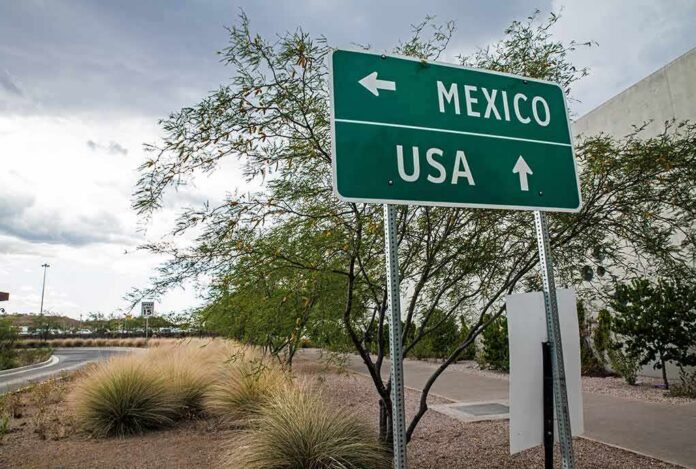
The United States paused its own operations in Mexicali for a day and told Americans to steer clear of government buildings there.
Story Snapshot
- The U.S. Embassy reported a threat tied to Mexicali on August 25 and halted official travel and activities that day.
- Americans in Mexicali were told to avoid government buildings and be ready to seek shelter if an incident occurs.
- The alert fits a broader State Department pattern of short, targeted advisories for Mexico under a Level 2 warning.
- Prior security notes have flagged cartel violence risks in the Mexicali Valley and nearby areas.
What Triggered The Alert In Mexicali
The U.S. Embassy and Consulates in Mexico issued a security alert for Mexicali, Baja California, for August 25. Officials said they had threat information and, as a result, suspended U.S. government activities in the city and halted official travel there for that day. The notice aimed to warn U.S. citizens about a potential threat while limiting details that could expose sources or methods. This is standard for focused, time-bound alerts. The day-specific pause signals officials took the input seriously without declaring a wider emergency.
The alert included clear steps for Americans in the area. The Embassy advised people to avoid government buildings in Mexicali and to seek shelter if an incident occurs. The guidance mirrors common protective measures: stay away from possible targets, reduce movement, and follow official updates. The consular message also pointed people to routine safety habits, like telling family where you are, watching local news, and carrying identification. These steps help cut risk when threat details remain limited to authorities.
How This Fits The Wider Security Picture
The State Department’s Mexico advisory already calls for increased caution across the country due to terrorism, crime, and kidnapping, which sets a steady baseline for risk awareness. Within that baseline, the government often issues narrow, short-term alerts when local conditions spike. Prior reports have warned that the Mexicali Valley can see violence between rival cartel groups and urged U.S. personnel to avoid certain zones until conditions improve. The Mexicali notice tracks with that pattern: tight geography, tight timeline, and practical steps that aim to lower exposure.
The government uses short, specific advisories because they work. A targeted pause in official movement reduces obvious footprints. A clear message to private citizens cuts confusion and gives people a plan. American conservative values favor that kind of clear, actionable notice over vague, open-ended warnings. The facts line up with a cautious approach: limit operations, shield the public, and keep sensitive sources protected while the threat window passes.
What Travelers And Residents Should Do Next
Americans in Mexicali should keep doing the basics right now. Avoid government buildings as directed. If something happens, seek shelter, stay off the roads, and wait for an all-clear. Stick to well-known areas, keep your phone charged, and tell someone you trust where you are going. Check the State Department’s Mexico page before you travel, since risk levels can change by state and even by neighborhood within a city. These small habits stack up when time matters and details are thin.
The US Embassy in Mexico has issued an urgent security alert for Mexicali near the US border, citing a potential threat and urging travelers to exercise caution.https://t.co/OZ1nREMpzy
— The Traveler (@thetraveler_org) August 25, 2026
People planning cross-border trips should give themselves options. Book flexible travel that you can move by a day if alerts pop up. Save emergency numbers and consular contacts before you go. If your plans include the Mexicali Valley or rural routes, rethink long drives after dark, and consider alternate crossings. The government will update advisories as conditions shift. When officials move fast to post an alert, they expect citizens to move fast too. That is how you stay ahead of risk instead of chasing it.
Sources:
insiderpaper.com, heraldodemexico.com.mx, osac.gov
© conservativesense.com 2026. All rights reserved.