U.S. forces hit Iranian military sites after Iran struck a civilian cargo ship in the Strait of Hormuz, answering piracy with power.
Story Highlights
- U.S. strikes targeted Iranian missile, drone, and coastal radar sites after a ship attack.
- The Strait of Hormuz remains a flashpoint for global energy and maritime freedom.
- Iran has hit ships and fired on U.S.-linked interests as tensions rose.
- Escalation tests a recent understanding meant to cool the conflict.
What Triggered The Latest U.S. Strikes
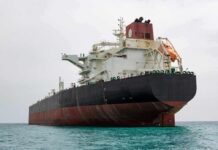
U.S. Central Command said American forces launched strikes after Iran used a drone to hit a cargo ship in the Strait of Hormuz. The United States targeted Iranian missile and drone locations and coastal radar sites tied to maritime attacks. Associated Press reported the action came one day after the ship strike and marked a major test of a recent understanding between Washington and Tehran aimed at cooling the fight. The response signaled that attacks on civilian shipping would face direct consequences.
Public details on the damaged ship remain limited, but the pattern is clear. Iran has used missiles, drones, and fast boats to menace traffic in the narrow waterway before. The United States framed the retaliation as focused and defensive. The goal was to restore safe passage and deter further strikes on non-military vessels. That limited scope matters for deterrence and for keeping allies aligned as pressure around oil flows and insurance costs builds with each new incident.
Why The Strait Of Hormuz Matters To Americans
The Strait of Hormuz is one of the most important shipping lanes on earth. The channel is only about twenty-one miles wide at its narrowest point, but a large share of the world’s oil and gas moves through it. When Iran threatens ships, energy markets jump and families here pay more at the pump. The Council on Foreign Relations has tracked years of Iranian coercion in these waters and the costly ripple effects well beyond the region. Maritime freedom protects American wallets and jobs.
Iran has also attacked tankers and threatened the crews who keep global trade moving. Each strike raises risks for U.S. sailors, commercial crews, and regional partners. Recent reporting shows that Iran has hit vessels and then faced further U.S. action in reply, including additional strikes when three merchant ships were attacked in close succession. This is the same pressure trackline. Enforcing safe transit helps expose Iran’s coercion while preventing a wider war that would send prices soaring and weaken our economy.
How This Fits A Known Gray-Zone Playbook
Analysts describe a gray-zone pattern at sea. Iran often claims it is answering a prior move, while the United States moves to shield ships and signal resolve. Real-time proof can lag because fights at sea happen fast and far from cameras. Even so, wire reporting and command statements create a usable record of who did what, and when. In this case, the order is documented: ship hit on one day, U.S. strikes on the next, with targets tied to Iran’s ability to menace shipping.
That pattern does not make every claim equal. It does show why tight, targeted U.S. actions matter. Focused strikes limit civilian harm and keep the mission clear: defend free navigation, punish those who hit civilian ships, and avoid open-ended conflict. When Iran escalates, American resolve must be steady and lawful. That approach reassures allies, keeps markets calmer, and puts the burden back on Tehran to stop attacks or face further costs.
The Stakes For U.S. Power And Conservative Priorities
President Trump’s team is leaning on a core principle: peace through strength. The message to Tehran is simple. Do not hit civilian ships. Do not threaten crews. If you do, your tools of attack will be destroyed. That is how a serious country deters bullies and keeps trade lanes open. It also protects American families from higher gas prices and defends the basic freedom to navigate international waters without fear.
I used to think Elon Musk was a sincere, good guy.
One of the good guys.Who could not admire his work ethic?
I even admire his ingenuity.
I like his voice, how he speaks. Very cultured.But I am concerned by tectonic ground-plate shifting (the kind that cause earthquakes) in…
— Linda Marie Bicksler (Sassy Scholar) (@intllady777) July 30, 2026
Conservatives expect limited goals, clear rules, and decisive force when needed. They also reject globalist drift and endless wars. The current approach aims to thread that needle. Strike the capabilities used to attack ships, keep the mission narrow, and build pressure for Iran to stop. That is accountability without nation-building. It guards our economy, backs our sailors, and defends a principle as old as the flag: free seas for lawful commerce, and firm consequences for those who break that peace.
Sources:
feedpress.me, cnbc.com, britannica.com
© conservativesense.com 2026. All rights reserved.