
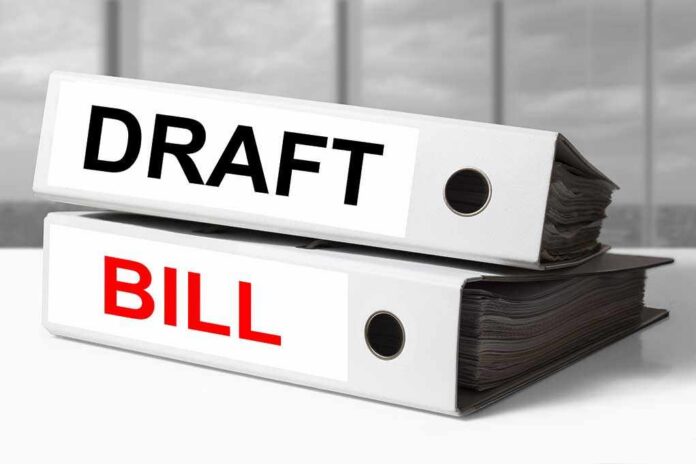
Oregon activists are pushing a ballot measure that would treat everyday hunting, fishing, and livestock work like criminal “animal cruelty,” setting up a direct clash between urban ideology and rural life.
Story Snapshot
- Initiative Petition 28, the “PEACE Act,” seeks to remove long-standing exemptions in Oregon animal cruelty law for hunting, fishing, ranching, pest control, and research.
- Backers say the measure targets “intentional injury or killing” of animals; critics argue that definition effectively bans hunting, fishing, trapping, and core agricultural practices.
- Supporters have gathered roughly 92,000 to 100,000 signatures and need about 117,173 by July 2, 2026, to make the November 2026 ballot.
- Opponents warn it would disrupt wildlife management and undercut funding tied to hunting and fishing, while threatening rural livelihoods and food production.
What Oregon’s IP 28 Would Change in State Law
Initiative Petition 28 is built around a straightforward but sweeping idea: remove exemptions in Oregon’s animal cruelty statutes that currently cover hunting, fishing, ranching, pest control, and scientific research. The proposal frames “animal cruelty” broadly, targeting intentional injury or killing of wild or domestic animals. Opponents say that phrasing is not a narrow reform but a functional prohibition on activities Oregonians have long considered lawful, regulated, and necessary.
Supporters promote the measure as a moral and cultural reset, arguing that Oregon should no longer allow routine animal killing under carve-outs written into law. The campaign also talks about a “transition fund” for affected industries, but available reporting indicates the measure does not mandate a specific funding mechanism or guarantee levels of compensation. That gap matters because criminal statutes can change fast, while “transition” dollars often depend on later legislative fights.
Signature Count, Deadlines, and the 2026 Ballot Path
Organizers are closer to the ballot than similar efforts in recent years, which is why the proposal is drawing national attention. Reports in early February 2026 placed the signature count at more than 92,000, while mid-February coverage described the campaign as nearing roughly 100,000 signatures. To qualify for the November 2026 ballot, backers must submit about 117,173 valid signatures by July 2, 2026, for verification.
That timeline creates two political realities. First, the measure can remain “alive” for months even if passage is considered unlikely, keeping donors and volunteers engaged and forcing opponents to spend time and money educating voters. Second, Oregon’s urban-rural divide gives petition campaigns an organizing advantage in large metro areas, where signature gatherers can collect volume quickly even if the measure would land hardest on rural counties.
Why Hunters and Ranchers Say This Hits Food, Wildlife, and Conservation
Critics argue that IP 28’s broad definition could criminalize more than trophy hunting or niche practices—it could reach basic livestock operations, veterinary and husbandry decisions, and routine predator-control realities on farms and ranches. Ranchers and rural residents have warned that it would convert ordinary animal management into legal jeopardy, especially when wild predators injure livestock or when farmers must euthanize animals. Even some urban “local food” culture depends on the very agriculture the measure would constrain.
Wildlife management is another fault line. Coverage and interviews cite concerns that prohibiting hunting and trapping would remove key population-control tools for deer and elk, with ripple effects for habitat and human-wildlife conflict. In Oregon, hunting and fishing also connect to conservation funding models through licensing and related revenue that supports state wildlife agencies. If participation collapses, the state may face pressure to replace those funds through general taxes or reduced conservation capacity.
Messaging, Misinformation Concerns, and the “Long Game” Strategy
One reason opponents are treating the measure seriously is the campaign’s stated long-term approach. Reporting describes the chief petitioner, Portland-based David Michelson, as openly skeptical the proposal will win 50% immediately, while still viewing it as a tool to spark debate and shift social norms. Opponents also claim some signature-gathering pitches have emphasized narrower themes—such as research limits—without fully describing hunting and fishing impacts, a tactic that, if accurate, would leave voters feeling blindsided later.
At the same time, available sources also show a limit to what can be responsibly claimed right now. The phrase “invite famine” captures the fear that restricting ranching and food production could disrupt supply and raise costs, but the measure’s literal text does not use famine language, and the reporting does not provide quantified food-supply modeling. The stronger, documentable concern is that criminalizing major sectors of agriculture and wildlife management would predictably destabilize rural economies and push higher costs onto consumers.
Oregon's Proposed New PEACE Act: Ban Hunting, Invite Faminehttps://t.co/JNUXpGbSqS
— RedState (@RedState) February 16, 2026
The bottom line is that Oregon’s IP 28 fight is about more than animal welfare slogans; it is a test of whether ideologically driven ballot language can override long-standing constitutional and cultural expectations about lawful recreation, private enterprise, and rural self-sufficiency. If the initiative qualifies, the November 2026 campaign will likely become a national proxy battle—one side pushing an expansive redefinition of cruelty, the other defending hunting, ranching, and limited-government realism over sweeping criminalization.
Sources:
Animal Rights Activists Push To Basically Ban Hunting, Fishing, Ranching in Oregon
Oregon IP28 would criminalize hunting, fishing and trapping