
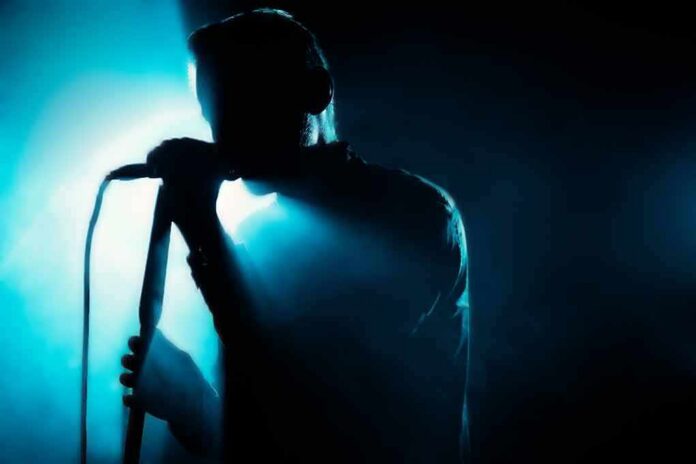
Iran flogged a female singer and her team 74 times each for a YouTube performance labeled “vulgar,” exposing a regime that punishes art as a crime.
Story Highlights
- Iran’s courts upheld lashes, travel bans, and art bans for a singer and crew, media report.
- Officials cited “public decency” and “immoral online content,” not only hijab rules.
- United Nations bodies classify flogging as cruel treatment and torture.
- Key court records remain undisclosed, leaving details and defendant counts disputed.
What Iran Did and Why It Matters
Iranian authorities flogged singer Parastoo Ahmadi and four crew members 74 times each after calling their video performance an illegal concert that broke “legal and religious standards,” according to reporting that cites a judiciary-linked outlet. Media say a criminal court in Qom convicted the group in June and an appeals court upheld the ruling in September. The sentence also includes two-year bans on travel and artistic work for each person named in reports.
Journalists describe the conviction as “offending public decency” and producing or spreading “vulgar and immoral content” online. Reports link the case to Ahmadi performing without a headscarf, but the charge language points to indecency and online publication as the legal basis. Defense lawyers and outlets supplied most details. The judiciary has not released full judgments to the public, so statutory citations and judicial reasoning remain out of view in the available material.
The Evidence We Have—and What Is Missing
Media accounts agree on the lashes, the appeal outcome, and the bans. They differ on how many people were convicted or punished. Some reports say five people, while others mention Ahmadi and up to eight more. The lack of a published judgment leaves that gap unresolved. The Iranian Mizan News Agency framing is cited, but the actual court documents, case numbers, and full sentencing tables are not publicly shown in the coverage we have.
United Nations reporting places this case in a longer record of Iran using broad “public morality,” licensing rules, and online content laws to police women’s voices, dress, and art. That pattern allows the same act to be cast as unlawful distribution at home and as hijab enforcement abroad. This background helps explain why the government stresses decency and online conduct, while global audiences focus on the unveiled performance and corporal punishment.
Global Reaction and Human Rights Stakes
The Office of the United Nations High Commissioner for Human Rights says corporal punishment is cruel, inhuman, or degrading. A United Nations human-rights report says flogging by a state is torture and violates the right to security of the person. A recent United Nations General Assembly resolution criticizes Iran’s harsh penalties tied to compulsory veiling and says such policies undermine women’s rights, including free expression and movement.
Western governments and human-rights groups condemned the flogging in this case as torture and a clear breach of international law. Rights advocates also warn about bans on artistic work and travel that silence dissent and erase culture. These steps do not only punish one singer. They send a message to every creator who wants to speak freely online. That message chills speech, art, and faith—values Americans hold dear across our First Amendment traditions.
Why This Should Matter to Americans
Americans know what happens when rulers police speech and art. Our Constitution protects the right to speak, sing, worship, and assemble. Iran’s sentence shows the opposite model: government power used to whip artists and criminalize a video. The lack of transparent court records also matters. When courts hide reasoning, abuse grows in the dark. Open justice and due process are not Western perks. They are the guardrails that keep power from crushing people.
President Trump’s administration continues to face a world where regimes punish basic freedoms. U.S. policy can press for the release of artists and for open court records that show the laws used and the evidence cited. American leaders can push allies to deny legitimacy to lashings and bans. That stance supports individual liberty abroad without new wars or blank checks. It stands with the people who risk a song to speak the truth.
What We Still Need to Know
Key items remain unclear based on open reporting. We do not have the Qom court judgment, the appeals ruling, or the exact penal code articles tied to the 74 lashes and the two-year bans. We do not know whether hijab noncompliance, online publication, alleged obscenity, or a combination drove the sentence. We also lack an official list of all defendants and how each was punished. Until those records surface, some case details will stay contested.
Even with gaps, the core facts stand: a singer and team were flogged and banned from travel and art, and the state called an online performance indecent. That is the model of control our Founders rejected. Americans should keep defending free expression at home, reject any push for speech codes, and stand with people who face the whip for a song. Liberty either lives everywhere—or it fades here, too.
Sources:
facebook.com, reuters.com, bbc.com, en.haberler.com
© conservativesense.com 2026. All rights reserved.