U.S. Navy F/A-18 Super Hornets disabled Iranian-flagged tankers running a declared American blockade, drawing Iranian retaliation claims and putting maritime freedom and energy security back on the line [13][3][10][7].
Story Highlights
- Central Command says U.S. jets disabled multiple Iranian tankers attempting to breach a blockade [13][10].
- Strikes reportedly targeted smokestacks and steering to halt the vessels without sinking them [3][2][6].
- Iran alleges the actions violated a ceasefire and vows reprisals, escalating tensions [7].
- Footage released by the military underscores an enforcement approach aimed at precision and deterrence [1][4][13].
What Central Command Says Happened
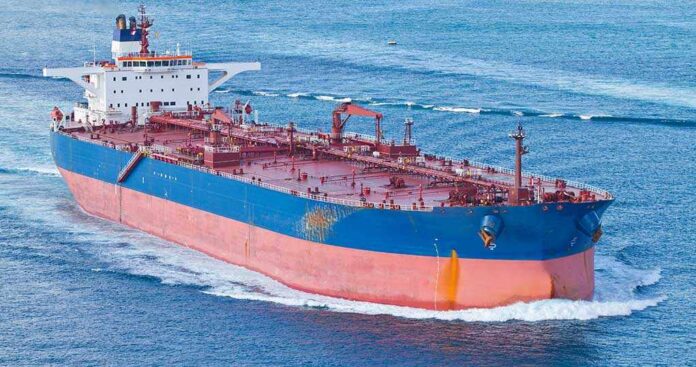
United States Central Command reported that American forces operating in the Gulf of Oman disabled Iranian-flagged oil tankers that attempted to enter an Iranian port despite a standing U.S. blockade order [13][10]. Central Command identified the enforcement as part of ongoing interdiction measures, noting that multiple commercial vessels have already been diverted or halted under the policy [11][12]. Business Insider reported that a U.S. Navy fighter jet struck the smokestacks of two tankers to render them inoperable without causing catastrophic damage or loss of life [3].
Central Command’s communications emphasized precision strikes designed to stop propulsion and steering rather than sink ships, a method consistent with prior interdictions where disabling rudders or exhaust systems prevents further movement [13][3][6]. Reporting from defense outlets detailed a recent case where an F/A-18 Super Hornet used its M61 Vulcan 20 millimeter cannon to damage a tanker’s rudder, again underscoring a narrow, effects-based approach to enforcement [6]. Video released by the U.S. military shows the moments of impact on the targeted vessels [1][4].
How The Strikes Were Carried Out
Business Insider and The War Zone described strikes aimed down the smokestacks of at least two Iranian-flagged tankers, a tactic intended to choke propulsion, disable power, and force a stop without igniting cargo because the ships were reportedly unladen [3][2]. The Aviationist recounted an earlier interdiction where cannon fire against the rudder halted a different tanker’s transit, matching Central Command’s claim that aircrews are applying minimal necessary force to compel compliance with the blockade [6][13]. Navy Times corroborated that the two vessels disabled Friday were empty, reducing spill or fire risk [10].
Central Command-linked reporting indicates more than fifty ships have been redirected amid broader enforcement, suggesting a systematic, rules-driven pattern rather than an ad hoc response [11][12]. The consistent choice of precision effects—rudder, stacks, steering—reflects an intent to enforce policy while limiting collateral consequences at sea. That matters to American families watching energy markets and maritime insurance costs, because disabling without sinking aims to deter illegal runs without spiking regional chaos that sends fuel prices soaring [11][12][10].
Iran’s Accusations And The Ceasefire Dispute
Iranian officials claim the U.S. actions violated a fragile ceasefire, characterizing the interdictions as aggression and pledging retaliation, according to Arab News [7]. That narrative fits a familiar pattern in sanction-era maritime confrontations where the enforcing power publicizes warning footage and strike details, and the sanctioned state alleges illegality to rally diplomatic pressure [1][2][7]. The dispute now centers on whether the blockade and interdictions are lawful military measures or provocations undermining talks; both sides are staking claims with video, timelines, and sharply different legal views [13][7][3].
For U.S. readers, two facts remain clear from the available evidence: Central Command issued contemporaneous statements with specific descriptions of dates, methods, and effects, and multiple outlets reviewed the same visual material confirming targeted hits that disabled, not destroyed, the hulls [13][3][1][4]. Iran’s response heightens risk to commercial shipping and to American sailors operating inside narrow waterways where seconds matter and escalation ladders are short. That is precisely why transparent footage and careful targeting now matter for deterrence [13][3][7].
Why This Enforcement Approach Matters To Americans
American families live with the consequences when rogue regimes weaponize oil routes: price spikes at the pump, supply shocks, and global insurers driving up costs for every product moved by sea. Enforcing a blockade with measured, precision actions defends maritime order while avoiding the kind of overreaction that sends energy markets into panic [10][11][12]. The administration’s message—that rule breakers will be stopped with minimal force—aligns with constitutional duty to protect commerce and citizens while keeping U.S. service members out of a wider war [13][3].
The facts available today support three takeaways. First, Central Command documented the interdictions and released corroborating visuals of precision strikes on empty tankers [13][1][4]. Second, reputable defense and news outlets independently reported the methods used—smokestack and rudder disabling—consistent with minimizing collateral damage [3][2][6]. Third, Tehran is leveraging ceasefire rhetoric to frame U.S. enforcement as unlawful, a claim contradicted by the documented blockade posture and the measured tactics on display [7][13]. Vigilant enforcement today reduces the chance of a costlier crisis tomorrow.
Sources:
[1]
[2] F/A-18 Super Hornet Drops Bombs Down Smoke Stacks Of Iranian …
[3] A US Navy Fighter Jet Hit the Smokestacks of Two Iran Blockade …
[4]
[6] U.S. Navy F/A-18 Super Hornet Disables Iranian-Flagged Tanker
[7] US fire on Iran tankers sparks reprisals as deal hangs in balance
[10] US forces disable Iranian-flagged tankers trying to cross blockade
[11] US fires on 2 more Iranian tankers trying to evade blockade
[12] US fires on 2 more Iranian tankers trying to evade blockade – WNWO
[13] U.S. Forces Disable Vessel in Gulf of Oman Attempting to Violate …