

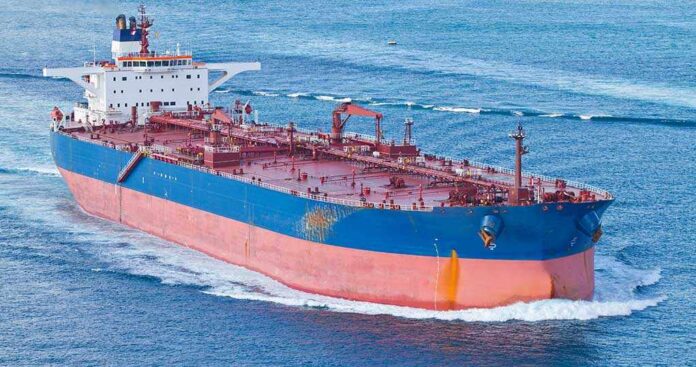
A single unknown projectile turning a cargo ship into an engine-room inferno near Oman is a reminder that Middle East chaos can still hit American wallets overnight.
Quick Take
- The Maltese-flagged containership Safeen Prestige was struck around 1109 GMT on March 4, 2026, while transiting eastbound in the Strait of Hormuz, triggering a fire and forcing the crew to abandon ship.
- Omani authorities rescued the crew; reporting to date indicates no casualties and no confirmed pollution or environmental impact.
- Maritime security monitors raised the regional risk picture sharply after multiple incidents in roughly 24 hours, with commercial traffic increasingly avoiding the chokepoint.
- The attacker has not been publicly identified; Iran is widely suspected in reporting, but responsibility has not been formally claimed.
Projectile Strike Forces Abandonment in a Vital Shipping Chokepoint
The incident centered on the 1,740-TEU Safeen Prestige, a Malta-flagged containership owned by Safeen Feeders, part of AD Ports Group. Reports say an unknown projectile hit the vessel about two nautical miles north of Oman while it was moving eastbound through the Strait of Hormuz. The impact sparked a fire in the engine room just above the waterline, and the crew abandoned ship as the situation escalated.
Oman’s role quickly became the human-life backstop. Omani authorities rescued the crew after the abandonment, and initial reporting indicates no injuries and no confirmed environmental damage. Beyond that, details remain limited: public updates have not fully clarified the ship’s condition after the evacuation, what specific munition was used, or whether the fire was fully contained. That uncertainty matters because it leaves shippers and insurers planning around worst-case risks.
Multiple Attacks in Days Push Security Alerts Higher
The Safeen Prestige strike did not occur in isolation. Reporting describes several vessel incidents near Fujairah and in adjacent waters in the days leading up to March 4, including damage to a bulk carrier, a near-miss explosion affecting a product tanker, and a splashdown event reported by another containership. Maritime security reporting also described an oil tanker attacked near Hormuz with its crew evacuated by Oman, underscoring a broader pattern rather than a one-off.
UKMTO and related maritime security frameworks provide the practical guidance that shipping companies watch when seconds count. Advisories have urged vessels to transit with caution and to report suspicious activity, while the Joint Maritime Information Center elevated the threat level to CRITICAL after multiple incidents were reported in a short window. When that kind of warning hits, the market responds fast: fewer voluntary transits, higher premiums, and more rerouting decisions that raise costs and stretch supply timelines.
Why the Strait of Hormuz Still Matters to Your Gas Bill
The Strait of Hormuz is a narrow but indispensable corridor for energy and global trade. Research cited in reporting puts roughly 20% of global oil and about 35% of liquefied natural gas moving through the waterway, making any sustained disruption a direct threat to fuel prices and the cost of goods. When ships avoid the strait, the economic pain is not theoretical: longer routes, higher insurance, and delayed cargoes can ripple into inflation pressure.
That’s the part many Americans are tired of hearing about but still paying for. Families already squeezed by years of price spikes know that global instability can quickly become a domestic cost-of-living problem. The basic math is simple: if fewer tankers and cargo ships can move safely, the cost to move energy and products rises. No press conference can “spin” that away, and no slogan can repeal geography when a chokepoint goes sideways.
Accountability Questions: What’s Known, What Isn’t, and Why It Matters
Public reporting has not identified the weapon system or the shooter behind the Safeen Prestige strike, and no claim of responsibility has been highlighted in the available sources. Some coverage points to Iranian threats and an intent to restrict or punish transits, including statements attributed to an Iranian adviser warning ships not to cross. Still, suspicion is not proof, and the evidence presented publicly so far does not close the attribution gap.
Cargo Vessel Erupts in Flames in Strait of Hormuz After Being Struck by Unknown Projectile Amid Escalating Middle East Conflict https://t.co/xGJQFZMCfi #gatewaypundit via @gatewaypundit
— Fearless45 (@Fearless45Trump) March 11, 2026
For the Trump administration, the operational challenge is straightforward even if the politics are not: commercial shipping needs predictability, and deterrence only works when adversaries believe attacks will fail or carry unacceptable costs. Reporting indicates U.S. naval escorts have been offered, but analysts also note modern drone and missile threats can complicate protection in tight waters. With the threat level elevated and ships hesitating, the next few weeks will test whether security measures can restore lawful navigation without sliding into wider conflict.
Sources:
Containership Hit by Projectile in Strait of Hormuz as Maritime Attacks Escalate
Container Ship Abandoned in Strait of Hormuz After Attack Causes Engine Fire
Ships come under fire around the Strait of Hormuz
Crew rescued after container ship attacked in Strait of Hormuz
Iran threatens to “burn” ships transiting the Strait of Hormuz