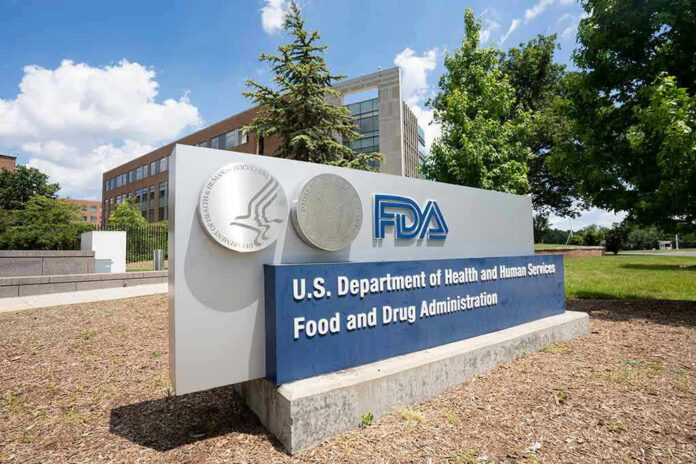
A new administrative plan threatens to dismantle FDA advisory committees, undermining drug safety and public trust.
Story Snapshot
- The Trump administration considers ending FDA advisory committees.
- Former FDA officials warn this could erode scientific rigor and transparency.
- Advisory committees are essential for evidence-based drug regulation.
- Public trust in drug safety could significantly decrease without expert reviews.
FDA Advisory Committees: A Pillar of Scientific Integrity
Since the 1960s, FDA advisory committees have played a crucial role in drug evaluation, offering independent expertise and ensuring that FDA decisions are grounded in scientific rigor. These committees, formalized in the late 1970s, were created in response to controversial drug cases, establishing a system where expert consensus guides regulatory actions. The Trump administration’s proposal to dismantle these committees poses a significant threat to the integrity of FDA’s decision-making process.
Former FDA officials have raised serious concerns about this potential policy shift. They argue that ending advisory committee meetings would reduce transparency, compromise scientific rigor, and ultimately diminish public trust in FDA actions. These meetings are critical forums where independent experts review drug applications and regulatory issues, ensuring that decisions are evidence-based and transparent to the public.
The Risks of Abandoning Advisory Committees
Abandoning FDA advisory committees could lead to short-term and long-term consequences that impact not only the pharmaceutical industry but also public health. In the short term, there is a risk of decreased transparency and public trust if drug evaluations are conducted without independent expert input. In the long run, this could erode the FDA’s credibility, increase the likelihood of regulatory errors, and diminish stakeholder engagement in the drug approval process.
Patients and healthcare providers depend on these committees for transparent and evidence-based drug approvals. Manufacturers may face less predictable regulatory outcomes, and the scientific community could lose an essential forum for debate and consensus-building. The broader implications for the industry include increased litigation risks and market uncertainty, potentially affecting the global perception of FDA standards.
Maintaining Transparency and Public Trust
Experts and former officials consistently argue for the necessity of advisory committees, emphasizing their role in maintaining scientific rigor and public trust. They caution against sacrificing transparency and thorough scientific review for bureaucratic shortcuts. The consensus among regulatory experts is clear: The FDA must preserve and strengthen advisory committee processes to ensure that its decisions remain legitimate and trusted by the public.
Under Trump, FDA Seeks To Abandon Expert Reviews of New Drugs https://t.co/SoDPC5sNd3 via @kffhealthnews
— greeneagle🇺🇦🇺🇸 (@GreenwindBlue) September 13, 2025
As the debate continues, it is crucial for stakeholders, including Congress and public advocacy groups, to challenge any attempts to undermine these critical forums. Maintaining advisory committees not only supports scientific integrity but also ensures that the FDA remains accountable and transparent to the public it serves.
Sources:
Historical Evolution of FDA Advisory Committees, National Academies Press
AgencyIQ, FDA Listening Session on Advisory Committee Processes
The FDA Advisory Committee System, National Academies Press