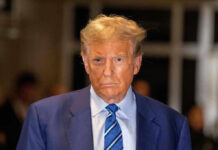
President Trump’s decisive military strikes against Venezuelan drug cartels have ignited a global showdown, challenging both international norms and the resolve of America’s adversaries.
Story Highlights
- Trump administration launches deadly military operations against Venezuela-based drug cartels, labeling them as terrorist organizations.
- Venezuela and its allies accuse the U.S. of violating sovereignty and demand United Nations intervention.
- The U.S. frames its actions as self-defense, with officials absent from emergency U.N. meetings, signaling a firm stance against globalist pressures.
- Ongoing U.S. support for Venezuelan opposition and Nobel laureate Maria Corina Machado intensifies regime change tensions.
Trump’s Military Action Targets Venezuelan Cartel Threat
Early October 2025 saw the U.S. military strike four vessels in the Caribbean, reportedly killing 21 individuals linked to Venezuela’s drug trafficking networks. The Trump administration, with Ambassador Mike Waltz representing U.S. interests at the United Nations, declared these cartels “terrorist” organizations and justified the strikes as acts of self-defense. This bold campaign comes after years of frustration with ineffective border enforcement and foreign regimes enabling the flow of drugs into American communities, a threat many conservatives have demanded be addressed with real force.
Venezuela’s socialist government, led by Nicolás Maduro, immediately condemned the U.S. actions as violations of sovereignty and called for an emergency meeting of the U.N. Security Council. Maduro’s regime and its allies, including Russia and China, painted the military strikes as an illegal aggression and accused the U.S. of preparing for broader armed conflict. However, the Trump administration has refused to recognize Maduro’s rule, intensifying the standoff by supporting opposition leader Maria Corina Machado—recently awarded the Nobel Peace Prize for her resistance to the regime.
Diplomatic Standoff and Hardline U.S. Policy at the U.N.
On October 10-11, 2025, the U.N. Security Council convened at Venezuela’s request, seeking condemnation of U.S. actions. Notably, U.S. Ambassador Mike Waltz was absent; instead, political counselor John Kelley reiterated the administration’s position: America is engaged in a “non-international armed conflict” with terrorist organizations and retains the right to self-defense. This absence of top U.S. diplomats was a clear signal that the Trump administration would not bow to international pressure or allow globalist institutions to dictate America’s security strategy.
The diplomatic fallout has left the Security Council divided, with Russia and China supporting Venezuela, most other nations calling for de-escalation, and the U.S. resolutely defending its actions. Trump’s public statements have doubled down on the commitment to use the “full might” of American power against cartels, echoing his campaign promises to restore law and order at home and abroad. The administration’s approach reflects a broader rejection of past appeasement and an insistence on American sovereignty and constitutional duty to protect its citizens.
Escalating Tensions and the Broader Regional Impact
As U.S. military operations continue in the Caribbean, regional governments and populations brace for potential fallout. The strikes have disrupted drug trafficking routes but also heightened military tensions, with critics warning of escalation and humanitarian risks. Venezuelan civilians in conflict zones, already suffering under Maduro’s failed socialist policies, now face increased instability. Meanwhile, the U.S. continues to back opposition figures like Machado, whose Nobel recognition has further politicized the standoff and signaled international support for regime change.
Long-term, these actions could set precedents for U.S. military engagement against non-state actors and reshape global norms on sovereignty and self-defense. The risk of diplomatic isolation exists, but supporters argue that aggressive action is necessary to combat narcoterrorism and defend American communities. Critics, including some international legal experts, warn these moves may undermine established norms and risk broader conflict, but conservative Americans see the administration’s resolve as a long-overdue correction to years of weakness and inaction.
Trump will do ‘whatever it takes’ to defend US from Venezuela’s terrorist drug gangs: Mike Waltz https://t.co/N19BeIt4YR pic.twitter.com/QbEZFpmMt2
— New York Post (@nypost) October 16, 2025
The current standoff underscores the core Trump-era priorities: assertive defense of the homeland, rejection of globalist interference, and unwavering support for American values and security. The administration’s willingness to act, despite international pushback, marks a defining moment in the ongoing fight against foreign threats and the defense of U.S. sovereignty. As events unfold, patriots will be watching closely to ensure America’s interests and constitutional principles remain protected.
Sources:
US clashes with Venezuela and allies at emergency UN meeting on US strikes in Caribbean
Trump speaks with Venezuela’s Machado after her Nobel Peace Prize win
White House disapproves of Machado’s Nobel, but Rubio is a big supporter
Nobel Peace Laureate calls for U.S. bombing of her country
Mike Waltz sees Trump’s Gaza plan as once-in-a-generation opportunity for peace
Waltz Testimony to Senate Foreign Relations
Mike Waltz, Trump National Security Adviser, Face the Nation transcript 01/19/2025