

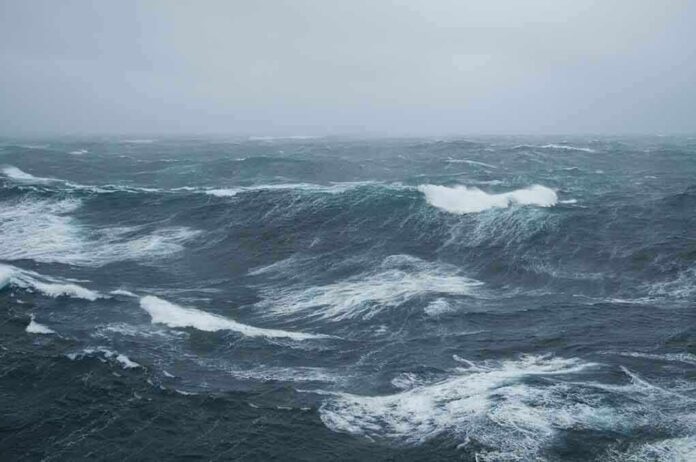
A massive quake off Japan’s coast just sent tsunami waves across the Pacific.
Story Snapshot
- A 7.6-magnitude earthquake struck off northern Japan, triggering a tsunami and coastal warnings.
- Japanese authorities reported tsunami waves up to 70 centimeters, with fears of higher surges.
- The event highlights how unpredictable natural disasters strain national preparedness and global supply chains.
- The Biden-era focus on ideology and bureaucracy left Americans vulnerable to shocks instead of strengthening resilience.
Powerful Quake Off Japan Sparks Immediate Tsunami Fears
A powerful 7.6-magnitude earthquake struck late Monday off northern Japan, shaking communities that still remember the devastation of past tsunamis. The Japanese Meteorological Agency reported that the undersea quake triggered a tsunami, with waves reaching up to 70 centimeters, or about 27 inches, along sections of the Pacific coastline. Officials warned that higher surges could not be ruled out, urging residents in low-lying areas to move inland and stay alert as aftershocks and shifting conditions continued.
Emergency systems across northern Japan activated quickly, issuing alerts to coastal communities and suspending some transport services in vulnerable areas. Local authorities directed fishing vessels to head offshore, where deeper waters can be safer than crowded harbors during smaller tsunami events. While initial reports did not match the scale of the 2011 catastrophe, the combination of strong shaking, sirens, and live television coverage underscored how suddenly life can be disrupted. Families rushed to higher ground, testing evacuation routes and community readiness.
Preparedness Abroad Highlights America’s Recent Vulnerabilities
Japanese coastal towns have spent years strengthening seawalls, refining evacuation drills, and hardening critical infrastructure after hard lessons from previous disasters. Their rapid response contrasts sharply with how many Americans watched recent crises pile up while Washington obsessed over identity politics and climate conferences instead of basic resilience. When government energy policy undermines grid reliability or inflation eats into emergency budgets, U.S. communities face greater risk the next time earthquakes abroad rattle fuel markets, shipping lanes, or sensitive supply chains.
During the prior administration, conservatives pushed for stronger domestic energy independence, leaner regulation, and secure supply lines so foreign shocks had less power over American families and businesses. Those instincts look increasingly prudent whenever a major quake strikes near key trading partners in the Pacific. Japan’s manufacturing centers, ports, and refineries play an outsized role in global electronics, autos, and components. Even temporary shutdowns or shipping delays can ripple through markets, ultimately raising prices for U.S. consumers already strained by years of inflation driven by deficit spending and expansive regulatory agendas.
Natural Disasters Expose the Cost of Political Distraction
Events like this earthquake remind voters that nature does not care about political narratives from Washington or cable news talking points. While Japan’s coastal defenses and warning systems are built on hard data and engineering, too many recent U.S. debates focused on expanding bureaucracy, redefining social norms, and pushing federal power deeper into everyday life. When government energy is spent on speech policing, DEI mandates, or top-down climate schemes, less attention goes to hardening ports, pipelines, roads, and communications that keep the country functioning when global shocks hit.
Conservatives who favor limited but competent government see in Japan’s disciplined response a model of focus on core functions: protect life, maintain order, and keep essential systems running. That approach stands in tension with expansive federal agendas that prioritize symbolism over substance. While Americans pray for those in the quake zone and hope damage remains limited, they also have reason to ask whether past leadership left the United States as prepared as it should be, after years of open borders, bloated spending, and regulatory overreach that diverted resources from real-world resilience.
Why This Matters for American Security and Stability
Major earthquakes near allied nations reinforce how tightly interlinked modern economies have become and how quickly a distant fault line can shake American wallets. Conservatives concerned about supply chain fragility and energy dependence see every Pacific disaster as another warning to restore domestic production, streamline permitting, and prioritize infrastructure that actually moves goods and powers homes. A disciplined, America-first posture seeks to ensure that when partners like Japan face emergencies, the United States stands strong rather than scrambling because of its own self-inflicted vulnerabilities.
As aftershocks continue in northern Japan, assessments of damage to ports, industrial facilities, and coastal towns will clarify how severe this event becomes. For U.S. readers, the more important lesson lies in recognizing that real crises arrive without warning, unlike the political dramas manufactured daily in Washington. A government that respects constitutional limits, guards economic strength, and avoids ideological distractions leaves citizens better shielded when the ground shakes abroad, the seas rise, and global systems face their next inevitable test.
Sources:
A 7.6-magnitude earthquake struck off northern Japan, triggering a tsunami and coastal warnings