
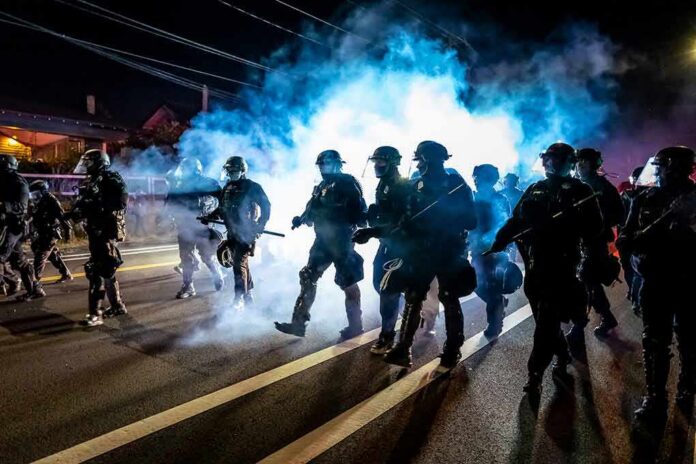
Tear gas clouded Paris streets again as student protests and police clashes left France counting arrests, injuries, and hard questions about force and freedom.
Story Snapshot
- Police used tear gas across Paris as protests over schools and funding turned chaotic.
- Authorities cite fires, projectiles, and hundreds of injured officers to justify tactics.
- Rights groups and witnesses say minors and peaceful crowds were swept up in force.
- Watchdog probes and conflicting claims leave the core issue: necessity and proportionality.
What Happened On The Ground In Paris
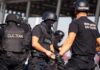
Paris saw fresh student-led marches met by riot police who fired tear gas in multiple locations. Reporters on scene described volleys at Place de la République after tensions rose, with officers charging the crowd to push people back. Police said a smaller group sought confrontation while larger demonstrations stayed peaceful. Officials also pointed to fires and thrown objects as reasons for crowd control steps during the unrest. The scenes repeated across cities as protests spread.
Interior Ministry figures show thousands detained since the protests began, many of them minors. Reuters reported 6,100 arrests and more than 700 injured police officers nationwide, reflecting how intense the clashes became. Prime Minister Sébastien Lecornu called them the most violent school protests in decades, underscoring the scale of the crisis. Authorities said some schools were burned or ransacked and stated members of the public were attacked, raising the stakes for rapid police response.
Competing Claims About Force And Warnings
Officials argue tear gas is a non-lethal tool to create space, disperse hostile groups, and shield officers when objects fly. Paris police said about 300 people tried to face off with security forces, which they say triggered clashes. Critics counter that force was broad and hit peaceful people, including students. The Associated Press described police using tear gas and batons near high-school pupils, and firing gas and water cannons at Place de la République during a larger rally.
Allegations also target the timing and warnings before gas was used. A Le Monde report cited claims that police blocked access to the square and repeatedly fired tear gas, and a musicians’ group said officers charged and launched gas at them before a scheduled performance, without warning. These accounts do not settle the facts of each incident, but they frame a dispute over whether police met legal duties to warn and to allow dispersal routes before force. Watchdog findings will matter here.
Injuries, Investigations, And The Proportionality Test
Reports documented serious injuries linked to police crowd-control weapons. Reuters cited 28 cases tied to police force, with 15 under review by the national police watchdog, and detailed a 14-year-old who allegedly suffered a broken jaw from a close-range tear-gas canister. Human Rights Watch also highlighted severe injuries to children during the protests. These cases test whether each use of force met France’s proportionality rules and respected the rights of minors caught in crowded spaces.
Preventing French-Style Unrest in the US: Questions for Officials
Oct 20, 2026Why these questions?
France’s 2026 unrest—sparked by school blockades and cost-of-living protests—escalated via insufficient control and excessive force. These questions assess U.S. plans for…— Navajo (@Navajo47) October 20, 2026
European courts have warned that tear gas, if used without strict checks, can chill free assembly. The European Court of Human Rights notes that force at protests implicates rights to expression and protection from inhuman treatment. It stresses the need for clear necessity and proportionality, and for real judicial scrutiny after the fact. That standard mirrors what many Americans across the political spectrum expect from any state: protect public order without crushing lawful dissent.
Why This Matters Beyond France
Scenes from Paris echo debates at home. People on the right and left worry that large systems defend themselves first and citizens last. Many see an elite class that manages chaos but rarely fixes root problems like failing schools, costs, and trust. When police use broad tools like tear gas near students, it feeds that belief. When crowds attack property or officers, it does too. The common demand is simple: tell the truth, follow the rules, and hold everyone accountable.
What To Watch Next
Key tests now include watchdog conclusions, release of operational orders, and synchronized video timelines. Clear records of warnings, dispersal routes, and gas quantities would show whether force was targeted. Data on injuries to students, officers, and bystanders would clarify who was harmed and how. Transparent answers could calm the streets and set a fair line between safety and rights. Without them, the vacuum will fuel more anger, more fear, and more nights like these.
Sources:
youtube.com, reuters.com, time.com, bbc.com, lemonde.fr, apnews.com
© conservativesense.com 2026. All rights reserved.