

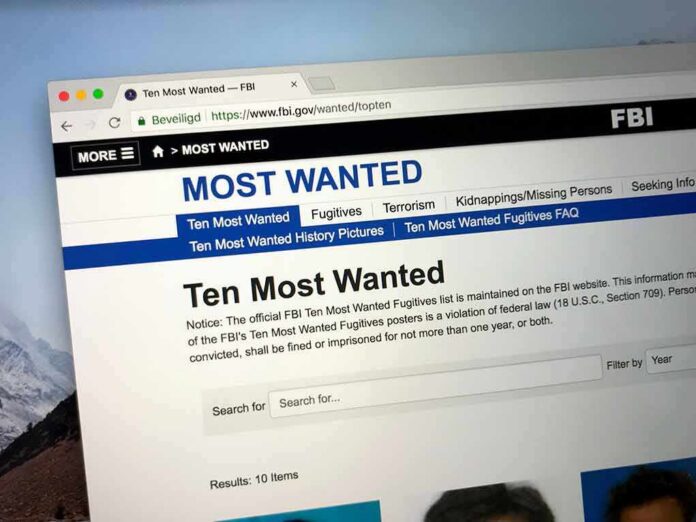
An apparent breach of the FBI’s national crime database exposes a core system the government uses to track fugitives and screen gun buyers, raising direct risks to public safety.
Story Highlights
- The FBI is investigating a suspected hack of the National Crime Information Center (NCIC).
- The NCIC links federal, state, and local police for warrants, fugitives, and missing persons data.
- This probe follows another FBI cyber incident reported in recent months.
- Industry data show government systems face frequent, costly cyber breaches.
What Investigators Say About the NCIC Intrusion
CNN reported that the Federal Bureau of Investigation (FBI) is probing an apparent breach of the National Crime Information Center (NCIC), a system that helps officers check warrants, criminal histories, and stolen property across the country. Two people briefed on the inquiry described the incident as a targeted intrusion into the database. Several outlets echoed the account the same day, citing briefed sources. Reporters noted this incident comes after a separate FBI system issue in recent months, suggesting sustained pressure on core law enforcement networks.
Officials have not publicly confirmed who was behind the suspected breach or what data may have been accessed or changed, according to coverage compiled from major outlets. Local and national reports stressed that the NCIC functions as a lifeline between agencies, helping officers make time-sensitive decisions during traffic stops, background checks, and arrests. Because the NCIC’s role is central and constant, even a suspected intrusion draws immediate concern from police departments and courts that depend on clean, current records to act fast and keep people safe.
Why This Database Matters to Public Safety and Rights
Police use the NCIC to confirm arrest warrants, locate missing persons, and identify stolen vehicles. Courts and agencies also rely on it to share restraining orders, probation terms, and parole details. Gun dealers draw on linked systems during background checks. If hackers viewed or changed records, officers could arrest the wrong person, miss a dangerous fugitive, or deny a legal gun sale. If data were deleted, officers could get a “no record” response when a warrant exists. That is why investigators are moving quickly.
The NCIC’s reach touches both public safety and civil liberties. Accurate data helps stop violent crime and protect victims. It also protects people from wrongful arrests and blocked purchases. For readers across the political spectrum, the shared concern is the same: the system must be both secure and correct. When the government runs a database this powerful, it must guard it well, log every change, and fix weaknesses fast. A suspected breach tests whether those duties are being met.
How This Fits a Larger Pattern of Government Cyber Risk
Large studies of cyber incidents show public agencies face frequent attacks. Verizon’s 2025 data breach report counted more than twenty-two thousand confirmed breaches across sectors, with ransomware and system intrusions striking often and hitting government budgets hard. That backdrop helps explain why an apparent NCIC intrusion triggered an immediate federal response. Attackers seek systems with the most leverage. A national police database offers exactly that leverage, since one altered field can ripple across thousands of daily checks.
39 newsrooms in 7 regions reported this within a day.
"FBI hack update: Trump jokes about NCIC database breach as leak concerns grow" (Hindustan Times)
"FBI national crime database suffers suspected breach: Reports" (Al Jazeera)https://t.co/du19el3cRV
— TOLD.news (@told_news) November 22, 2026
News reports linked this suspected breach to a recent run of technology disruptions, including a prior FBI system incident. While details differ case by case, the pattern feels familiar: attackers probe for a foothold, then test defenses and response times. Agencies must assume compromise is possible, segment critical tools, and keep strong audit trails. Those steps limit damage, aid forensics, and speed recovery. They also reassure the public that officials can catch tampering before it harms lives.
What to Watch Next: Scope, Integrity, and Accountability
Investigators will try to learn three things fast. First, who accessed the system and how the attackers got in. Second, what they touched, copied, or changed inside the NCIC. Third, whether they still have access. Expect targeted shutdowns, password resets, log reviews, and alerts to state and local users. If records were changed, agencies may need to re-verify warrants, protective orders, and flags, starting with the highest-risk categories such as violent offenders and active missing persons.
Members of both parties will likely press for clear timelines and public reporting once the facts are known. Conservatives will focus on consequences for criminals who exploit weak systems and on the costs to small police departments that depend on federal tools. Liberals will stress civil rights risks from bad data and demand independent checks on database integrity. Both sides will agree on one point: a core public safety system must not be this easy to threaten or disrupt.
Bottom Line for Readers
The reported NCIC breach probe underscores a simple truth: when the government centralizes power and data, it must meet a higher bar on security and accuracy. This database guides arrests, background checks, and life-or-death calls. The FBI’s inquiry aims to confirm what happened and fix any gaps. Until then, agencies will lean on backups and audits to keep trust in the system. The test now is speed, transparency, and proof that core safeguards still work.
Sources:
thegatewaypundit.com, jen.jiji.com, dawn.com, aol.com, yahoo.com, nationpress.com
© conservativesense.com 2026. All rights reserved.