
Foreign and ideological operators don’t have to beat America in a war if they can convince Americans to hate each other first.
Quick Take
- Anti-American disinformation is a long-running tactic that has evolved from print-era hoaxes into scalable, algorithm-amplified social media campaigns.
- The 2016 U.S. election interference remains a modern case study, with Russian-linked fake personas, bots, and ads designed to inflame U.S. divisions.
- History shows disinformation spreads fastest during conflict and uncertainty, often by exploiting stereotypes and fear to fracture trust.
- Past “trusted” institutions have also amplified unverified narratives, proving citizens must verify claims before sharing or voting on them.
Disinformation’s Core Goal: Break Trust in American Institutions
Russian election interference in 2016 demonstrated how cheaply foreign actors can mimic Americans online, build fake communities, and push polarizing content at scale. Research summarized in the provided materials describes operators using false personas, bots, and paid ads to amplify divisive narratives and even promote real-world events. This model works because it targets social trust—turning neighbors into enemies—rather than persuading the public of one “truth.” Once trust collapses, self-government becomes harder.
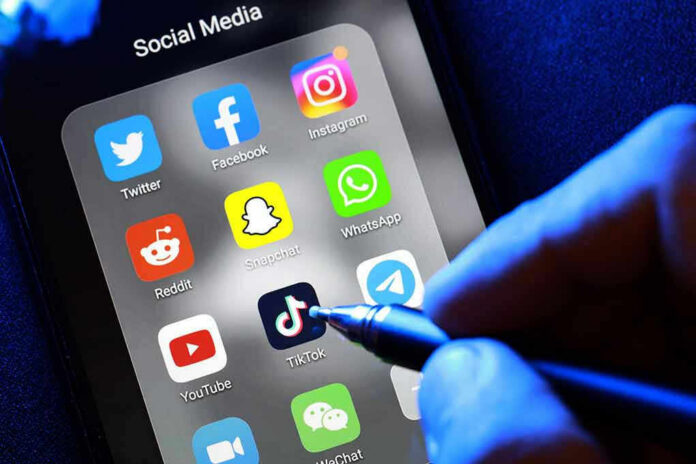
The historical record shows this is not new, only faster. Disinformation existed long before the internet, accelerating when mass printing made wide distribution cheap and routine. Early examples cited in the research include sensationalized or fabricated stories designed to grab attention and shape public beliefs. Digital platforms didn’t invent propaganda; they removed friction. A single account, automated or coordinated, can now flood feeds and simulate consensus, which pressures ordinary people to pick sides quickly.
Old Playbook, New Technology: From Wartime Propaganda to Social Feeds
Disinformation thrives in moments when citizens are afraid, angry, or overloaded—conditions common in war, terrorism scares, and rapid social change. The research highlights how propaganda has been used to justify violence, legitimize regimes, and channel resentment toward targeted groups. Those patterns matter for Americans today because the same emotional triggers appear in modern influence campaigns. When content is engineered to provoke, it can make constitutional debate impossible by replacing persuasion with panic.
Several historical examples underscore how systematic propaganda can become when a state decides to control narratives as a tool of power. The research references Nazi Germany’s centralized propaganda apparatus and also Cold War-era efforts that used broadcasts and information operations to erode U.S. credibility. These cases show that disinformation is most dangerous when it is organized, repetitive, and aligned with political objectives. Technology changes the delivery, but the objective remains constant: weaken opponents by poisoning public understanding.
When Media Gets It Wrong, the Damage Doesn’t Stay Contained
The materials also point to a hard truth: disinformation is not only a “foreign troll farm” problem. Media institutions can amplify shaky claims, especially during high-pressure news cycles and national-security crises. The research cites the Iraq War era as an example where unverified claims circulated widely and influenced public debate. The constitutional lesson is straightforward—citizens need accurate information to consent to policies, budgets, and wars, and bad information creates permission structures for mistakes.
Why This Hits Conservatives Hard: Polarization Becomes a Governing Weapon
For a conservative audience that watched years of institutional overreach, ideological enforcement, and “trust the experts” messaging, disinformation is gasoline on an already hot political fire. The research emphasizes that disinformation erodes trust and intensifies polarization. When Americans are pushed into tribal hostility, the results often include calls for censorship, speech policing, and expanded bureaucratic “truth” enforcement. That approach risks replacing open debate with administrative control, which is incompatible with limited government traditions.
Practical Defense: Verify, Slow Down, and Refuse the Rage Trap
The sources describe a recurring pattern: disinformation succeeds when it moves faster than verification and when audiences share content to signal identity rather than confirm facts. A practical defense is not complicated but requires discipline—pause before sharing, check original reporting, and be skeptical of content designed to trigger instant anger. The research base here is more historical than 2026-specific, so it cannot map every current campaign. It does, however, outline durable tactics and why they keep working.
Under President Trump in 2026, the policy fights will be intense, but disinformation turns policy disagreement into social rupture. The best counter is civic maturity: insist on evidence, reject scapegoating, and demand transparency from platforms and institutions without empowering a federal “Ministry of Truth.” Americans can defend free speech while also refusing to become unwitting amplifiers for foreign or ideological operations that profit from chaos. The Constitution depends on citizens who can debate reality together.
Sources:
A short guide to the history of ‘fake news’ and disinformation
The evolution of disinformation: how public opinion became proxy
Assault on the media: the Nixon years
A Short Guide to History of Fake News and Disinformation (ICFJ)
Critical disinformation studies: history, power, and politics