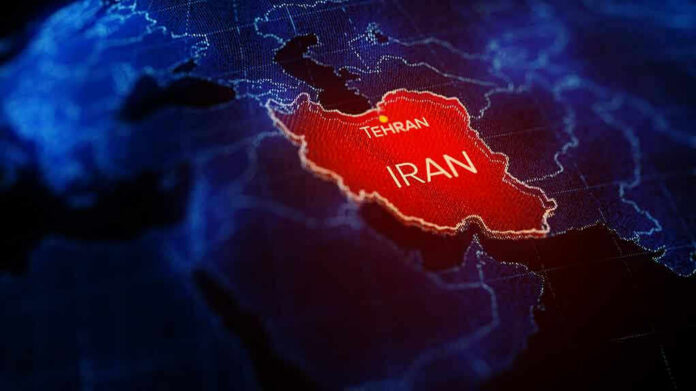
Iran’s decades-long preparation to deploy over 5,000 naval mines threatens to choke off a fifth of the world’s oil supply through the Strait of Hormuz, exposing the dangerous consequences of past administrations’ weakness in confronting Tehran’s military aggression.
Story Snapshot
- Iran has effectively closed the Strait of Hormuz through military threats, halting tanker traffic and forcing insurers to withdraw coverage as of early March 2026.
- Tehran possesses over 5,000 mines deployable via submarines, small boats, and civilian vessels, with clearance requiring months even with U.S. and allied minesweeping forces.
- The 21-mile-wide chokepoint handles 20-25% of global oil and gas flows, making Iran’s mining capability a devastating energy coercion weapon.
- Trump administration pledges insurance support for shipping while deploying limited U.S. Navy minesweeping assets to counter the asymmetric threat.
Iran’s Decades-Old Mining Strategy Comes to Fruition
Admiral James Stavridis, former Navy officer with direct Persian Gulf experience, warns that Iran has refined its naval mining capabilities since the 1980s Iran-Iraq War. The Islamic Republic built stockpiles exceeding 5,000 mines, deliverable through submarines, small boats, and disguised civilian dhows. This arsenal represents an insidious escalation beyond missiles and swarm boats. Iran’s IRGC Navy and regular naval forces have practiced these tactics for over four decades, learning from successful mine deployments against Iraq and U.S.-escorted tankers during Operation Earnest Will. The current threat combines this historical expertise with modern anti-access strategies designed to negate American naval superiority.
Critical Chokepoint Under Siege
The Strait of Hormuz, a narrow 21-mile passage between Iran and Oman, has become virtually impassable due to Iranian military posturing. Merchant vessels now sit anchored rather than risk transit, with shipping insurers withdrawing coverage entirely. This paralysis affects 20-25% of global oil and natural gas flows, far exceeding pipeline alternative capacities. The Trump administration responded with pledges of “reasonable” insurance for ships willing to transit, while Iran announced live-fire military drills in late February 2026. This standoff mirrors 1980s precedents when tankers sustained damage from Iranian mines despite elevated risks, though today’s insurance market proves less tolerant of such dangers.
America’s Minesweeping Vulnerability Exposed
The U.S. Navy operates only three to six dedicated minesweepers, supplemented by MH-53E helicopters and the 59th Explosive Ordnance Disposal Strike Force’s robotics in Bahrain. Allied contributions from Saudi Arabia and the United Kingdom provide additional assets, yet these forces remain inadequate for rapid clearance of thousands of potential mines across Gulf waters. RAND analyst Scott Savitz emphasizes that mine-hunting operations proceed slowly, while sweeping proves faster but carries residual risks. Clearance could require weeks or months, during which global commerce faces severe disruption. This capability gap reflects years of underinvestment in mine countermeasure forces, leaving American energy security dependent on preventing mine deployment rather than clearing fields after emplacement.
Strategic Interdiction vs. Clearance Operations
Defense experts prioritize disrupting Iran’s “kill chain” from mine depots through deployment over post-laying countermeasures. Interdiction requires stopping Iranian submarines, small boats, and civilian vessels before mines reach water, a challenging prospect given the Gulf’s confined geography and Iran’s asymmetric tactics. The 1988 U.S. interdiction of an Iranian minelayer demonstrates feasibility, yet comprehensive prevention against thousands of potential laying platforms strains resources. Stavridis advocates deploying Littoral Combat Ships and expanded unmanned systems to enhance detection and interdiction capabilities. This approach acknowledges that once mines enter water, they become nearly undetectable until triggered, forcing the slow, vulnerable clearance process that negates fleet advantages and strangles commerce for months.
Iran Might Soon Turn the Strait of Hormuz Into a Giant Minefieldhttps://t.co/DztwmrGJwh
— 19FortyFive (@19_forty_five) March 10, 2026
The crisis underscores how adversaries exploit asymmetric weapons to challenge American power, threatening both energy security and global economic stability. Iran’s mining capability represents the fruit of decades preparing anti-access strategies while previous administrations failed to counter Tehran’s regional aggression decisively. The Trump administration now confronts the consequences, balancing military deployment with economic assurances to prevent energy market collapse. Broader implications extend beyond the Gulf, as adversaries worldwide study Iran’s playbook for negating superior naval forces through mines, missiles, and swarm tactics. America’s minesweeping deficit and the months-long clearance timeline reveal vulnerabilities requiring urgent investment in unmanned technologies and expanded countermeasure fleets to protect vital commerce chokepoints.
Sources:
Iran Can Turn the Persian Gulf into a Minefield
Naval Mining the Strait of Hormuz
Iran Builds Layered Missile and Mine Shield Against U.S. Carriers in Strait of Hormuz
The Strait of Hormuz: Where Geography Becomes a Weapon