
Federal investigators just uncovered that hundreds of dead people in Colorado were still getting housing aid, exposing the kind of waste Trump vowed to stop and taxpayers are done tolerating.
Story Snapshot
- HUD investigators found evidence that 2,827 Colorado recipients may be improperly receiving federal housing benefits, including 221 deceased people.
- The Trump administration is probing Colorado’s housing programs as part of a broader push to protect taxpayers and clean up federal benefits.
- The case highlights how loose oversight and bloated bureaucracy flourished under past big-government policies.
- Conservatives see the probe as a test of whether Washington will finally put citizens, lawfulness, and accountability first.
HUD Flags Thousands of Questionable Housing Recipients in Colorado
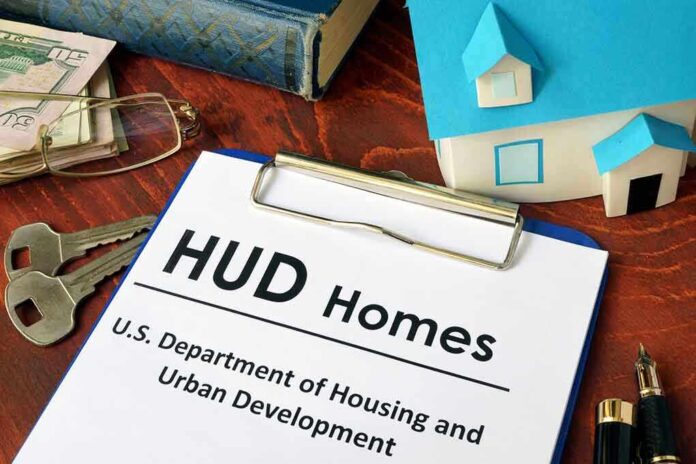
Department of Housing and Urban Development investigators reviewing Colorado housing assistance uncovered evidence that 2,827 people in the state may be receiving federal benefits improperly. According to information obtained by The Post, this pool includes 221 individuals who are already listed as deceased, yet somehow still tied to active housing assistance. The findings triggered heightened scrutiny of how state and local administrators manage federal housing programs and whether safeguards against fraud and waste have been meaningfully enforced.
HUD’s review focuses on benefit eligibility records, cross-checking them against federal death data and other verification systems to pinpoint potential abuses or serious clerical failures. Investigators are working to determine whether these questionable payments stem from simple data lag, sloppy record keeping, or deliberate fraud. For taxpayers who already feel squeezed by inflation and years of Washington overspending, the idea that dead people are still on the rolls confirms long-held fears about how loosely some programs are run.
Trump Administration Pushes Accountability After Years of Mismanagement
Trump administration officials have framed the Colorado probe as part of a larger effort to ensure federal benefit programs serve living, eligible American citizens instead of leaking dollars through neglect or abuse. In line with Trump’s broader crackdown on misdirected benefits, the administration has repeatedly emphasized that every wasted housing dollar is a dollar denied to a struggling family playing by the rules. The Colorado case offers a high-profile example of why tighter eligibility checks and firmer enforcement are central to restoring trust.
Conservatives who watched prior administrations expand programs without fixing basic oversight see this investigation as overdue course correction. Years of bureaucratic drift and political focus on growing government rather than guarding taxpayer money created conditions where obvious red flags, like benefits tied to the deceased, were not caught quickly. By publicly scrutinizing Colorado’s rolls, Trump officials are signaling that easy excuses about “systems issues” no longer satisfy when the bill is being handed to working Americans.
What the Colorado Revelations Mean for Taxpayers and Rule of Law
For taxpayers, the discovery that 221 dead individuals were still connected to housing benefits is more than a startling statistic; it reinforces a sense that Washington’s promises of “accountability” often stop at press releases. People who stretch every paycheck to cover mortgages, rent, and groceries now see proof that their tax dollars can quietly fund benefits with no living recipient. That disconnect feeds growing anger at a political class that talks about compassion but refuses to enforce basic program integrity.
Rule-of-law advocates argue that this kind of breakdown undermines confidence not just in housing programs but in the broader social contract. When eligibility rules are ignored or enforced haphazardly, honest citizens feel like suckers while bad actors learn they can exploit gaps with little consequence. The Colorado probe, if pursued vigorously, could set a precedent that improper payments—whether caused by incompetence or intentional fraud—will finally be tracked, exposed, and shut down instead of quietly buried in government spreadsheets.
Conservative Priorities: Protecting the Vulnerable Without Feeding Bureaucratic Waste
Many conservatives emphasize that the goal is not to abandon needy families but to ensure finite resources reach them, rather than disappearing into ghost accounts and bureaucratic black holes. When HUD dollars flow to people who have died, the families living paycheck to paycheck and waiting on assistance are effectively pushed aside. Tight oversight, regular eligibility audits, and serious penalties for fraud are seen as pro-family and pro-poor measures, not cruelty—because they safeguard the funds that should support legitimate recipients.
The Colorado findings also highlight deeper concerns about federalism, local accountability, and the growth of sprawling welfare systems with weak guardrails. As Washington funds more and more programs, state and local agencies often struggle—or fail—to maintain the rigorous controls taxpayers expect. The Trump administration’s probe sends a message that partnership with Washington comes with responsibilities: accurate records, prompt removal of ineligible names, and a culture that treats every tax dollar as if it came directly from a neighbor’s paycheck, because it did.