
A 15-year-old was arrested after video showed a hooded youth blasting a woman’s face with a makeshift flamethrower during riots in Marseille.
Story Snapshot
- Prosecutors said a 15-year-old was taken into custody after the Marseille attack.
- Video showed an aerosol-and-lighter flame directed at a woman’s face during unrest.
- The woman suffered facial burns and filed a complaint, according to reports.
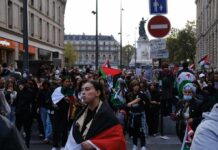
- Student protests across France saw large numbers of minors involved and many arrests.
Arrest Announced After Viral Marseille Assault
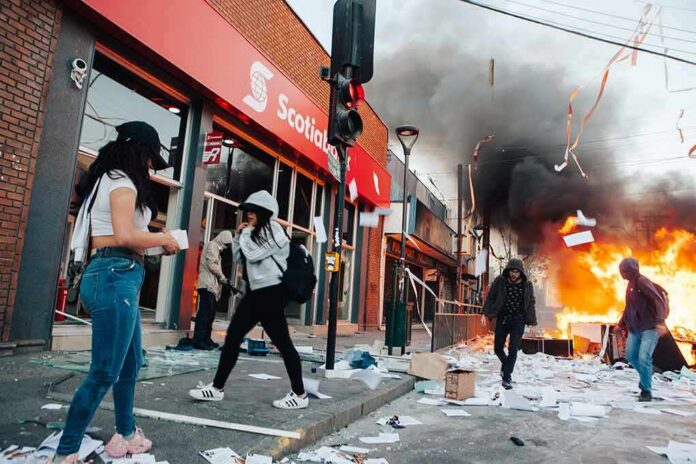
Marseille prosecutors said a 15-year-old was arrested and placed in police custody after a woman’s face was burned during street unrest captured on video. The clip showed a hooded teenager using an aerosol can and a lighter as a makeshift flamethrower while crowds clashed and vandalized nearby property. Local reports said the incident happened late in the week as protests surged across multiple cities. Authorities said the arrest followed the video’s wide circulation online.
International outlets reported that the woman, who tried to stop vandalism at a bus shelter, suffered facial burns and later filed a complaint with authorities. The sequence, shown from close range, featured a push-and-pull over a barrier before the flame burst toward her face. The footage fueled public anger and concern about street safety during the protests. Police said they were working to identify more suspects linked to violence around schools and transit sites.
Youth-Led Unrest Brings Tough Policing Choices
French officials and researchers have long noted that many participants in these waves are teenagers, which brings juvenile justice into direct conflict with public order goals. As arrests mounted, police and courts faced a complex task: protect streets and schools, process many minors, and avoid injuries during crowd control. National figures cited thousands detained amid school shutdowns and street clashes across major cities and suburbs. That pressure can stretch resources and deepen mistrust between youths and the state.
Live reporting described closures of hundreds of schools, damaged facilities, and injuries among staff during the protests. Government statements pointed to organized vandalism, arson, and attacks near education sites, with several arrests of underage suspects. Prior studies of French riots say these events often ignite fast, spread through neighborhoods, and fade after intense days of confrontation, yet leave long civic scars and higher security measures afterward. The Marseille assault became the emblem of that pattern this week.
Why This Incident Resonates Beyond France
Viewers saw a citizen step in to protect property and get burned for it, and that image hit a nerve. People on the left and right worry that street chaos is rising while leaders argue and bureaucracies stall. The Marseille case shows how a single act by a minor can dominate a news cycle and shape policy talk about crime, policing, and failed oversight of protests. Many fear that officials react only after viral shocks, not before harm occurs.
15-year-old ARRESTED for burning woman's face with flamethrower as far-left riots rage on in France
Read: https://t.co/uR8z4LX6Sd pic.twitter.com/emuvc3nrDE
— Human Events (@HumanEvents) October 3, 2026
French history suggests the response will include more cameras, faster arrests, and tougher court tracks, even for youth offenders. Supporters call that basic order; critics warn it treats symptoms, not causes. Either way, citizens want safe streets, working schools, and leaders who act before the next clip goes viral. For now, prosecutors have an arrest, a victim has injuries, and a country again asks why keeping order seems harder every season.
Sources:
humanevents.com, ground.news, newsminimalist.com, x.com, metro.co.uk, thesun.ie
© conservativesense.com 2026. All rights reserved.