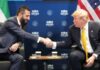

Iran says it is “open to diplomacy” with America, but only if the United States backs off pressure and sanctions that Tehran calls ineffective.
Story Highlights
- Iran’s foreign minister tied talks to Washington ending economic and political pressure.
- U.S. officials have said the door to talks remains open during the conflict.
- Reuters reported no formal talks are underway while messages move through intermediaries.
- Analysts say both sides often signal openness while hardening leverage before real talks.
Tehran’s Conditional Offer: Talks Only If U.S. Pressure Stops
Iran’s foreign minister said diplomacy “isn’t impossible,” but claimed it depends on the United States accepting that “pressure doesn’t work.” He framed talks as possible only if Washington ends its pressure campaign. Al-Monitor reported the remarks six months into the war, highlighting Iran’s attempt to keep the door open while demanding sanctions relief and policy shifts first. This is not a new line from Tehran. It mirrors past statements that tie any dialogue to lifting sanctions and easing U.S. demands.
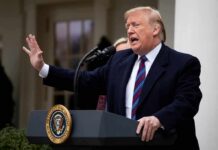
President Trump’s administration has also said diplomacy remains an option while maintaining deterrence. The New York Times reported that the United States signaled readiness for talks even as both sides traded strikes during earlier escalations. Al Jazeera noted a similar message from the State Department this spring, with Washington stressing it remains open to diplomacy, even as it warned Iran against further attacks. The balance seeks peace without rewarding aggression that threatens shipping and regional partners.
No Formal Talks, Back-Channel Messages, And A Familiar Playbook
Reuters reported Iran said there are no formal talks with the United States right now. Tehran added it will not start them while it accuses Washington of breaching an interim deal, though it confirmed messages move through intermediaries. This posture fits a known pattern. Each side claims it is open to talk while pushing for leverage. That can delay real progress as both try to set terms before stepping into the room in a serious way.
Conservative readers have seen this movie. Iran demands relief first, then offers limited steps later. Prior reports showed Tehran hinting at nuclear concessions if the United States provides major sanctions relief and recognizes enrichment rights, a core Iranian aim. That trade would give Tehran early economic benefits while America waits on promises that require strict checks. The risk is simple: reward pressure tactics and you get more pressure tactics, not less.
Why Conditional “Openness” Matters For U.S. Security And Energy Costs
U.S. leaders must protect shipping lanes, deter attacks, and stop Iran from using “open to talks” as cover for more threats. Reuters reported an Iranian warning that tensions would escalate in the Strait of Hormuz within weeks if Tehran’s demands were not met. That is a direct risk to global oil flows and to American families who already feel pain from high energy prices. The United States cannot let a terror-sponsoring regime set terms by menacing trade routes.
Policy experts describe a cycle. Washington keeps diplomacy alive to show good faith and unite allies on sanctions, while Iran links talks to relief and recognition of its red lines. The United States can stay open to honest talks while refusing preconditions that weaken our leverage. Any deal must deliver verifiable limits, real enforcement, and clear snap-back penalties. That approach protects American strength, supports allies, and avoids another round of empty promises that reward bad behavior.
Sources:
insiderpaper.com, nytimes.com, aljazeera.com, al-monitor.com, iranintl.com, aa.com.tr, reuters.com
© conservativesense.com 2026. All rights reserved.