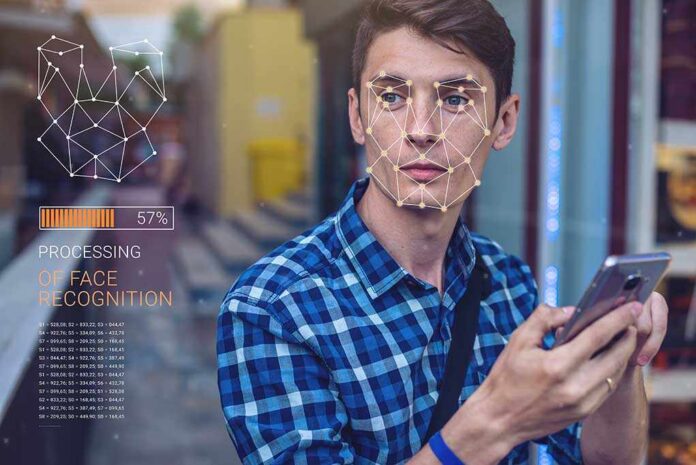
Mexico’s rush to a mandatory biometric national ID by early 2026 mirrors the government overreach conservatives reject at home, raising alarms about surveillance states creeping toward America’s southern border.
Story Highlights
- Mexico mandates biometric CURP ID with fingerprints, facial photos, and iris scans for all citizens by February 2026, required for banking, healthcare, and property deals.
- Centralized Plataforma Única de Identidad links personal data to missing persons and forensics databases, boosting efficiency but enabling unchecked government access.
- Privacy advocates warn of mass surveillance risks, data breaches, and lack of court oversight, echoing U.S. fears of eroded individual liberties.
- Pilot rollouts in Veracruz and Mexico City operational since 2025; full mandate targets nationwide enforcement amid court delays and cybersecurity concerns.
Legislative Push for Biometric Control
Mexico’s Chamber of Deputies approved reforms on July 1, 2025, transforming the CURP from an alphanumeric code into a mandatory biometric ID. This system captures fingerprints, facial photographs, and iris scans, stored in a centralized Plataforma Única de Identidad. Federal and state agencies began issuing these IDs 90 days after gazetting, around October 2025. RENAPO offices now handle nationwide distribution. The move centralizes civil registries, forensics, and missing persons data, aiming to combat over 100,000 disappearances since 2006. Conservatives see parallels to federal overreach that demands limited government.
Phased Rollout Accelerates Mandates
Pilots launched in October 2025 in Veracruz, Mexico City, and Mexico State, with voluntary adoption preceding mandates. By January 2026, sectors like banking, healthcare, education, and social programs required the biometric CURP. March 2026 marked mandatory public sector use, obtainable at any RENAPO office. February 2026 set the nationwide transition target for formal transactions, including property purchases. Courts in Yucatán issued suspensions, but federal rulings cleared paths for linked systems like phone registries. Vendors prepare cloud tenders despite OECD-noted digital lags.
Surveillance Risks Undermine Privacy
Security agencies gain broad access to the Unified Identity Platform without court orders or usage notifications, fueling surveillance fears. Privacy groups like R3D highlight no protections against data misuse, breaches, or corruption. Past ID system fraud and breaches amplify risks in Mexico’s vulnerable environment. Critics warn centralized biometrics enable tracking across taxes, health, and immigration, potentially shared with U.S. agencies via deportation deals. This erodes individual liberty, a core conservative value, as governments expand control without accountability.
Cybersecurity experts note operational gaps, including training shortages and unproven data security. Thomson Reuters questions Mexico’s readiness for biometric management. Rights advocates influenced regional delays, but national rollout persists. Long-term, the system risks AI-driven identity theft from stored fingerprints and iris data, setting precedents for Latin American surveillance.
Impacts Echo Conservative Concerns
All Mexican residents must comply for essential services, streamlining banking and pensions while aiding missing persons searches. Families of the disappeared stand to benefit from forensic links, yet vulnerable groups face coerced biometrics. Economically, it cuts fake IDs; socially, it eases healthcare access. Politically, efficiency gains clash with surveillance expansion. Biometrics firms profit from tenders, but precedents threaten border security and U.S. privacy norms under Trump’s America First policies.
Sources:
Mexico Approves Biometric CURP ID, Transforming Identity Landscape and Missing Persons Search
Mexico’s Biometric CURP Enters Official Use, Phased Mandate Targets February 2026
Mexico’s biometric CURP implementation under way as OECD DGI score dips
Mexico to launch biometric CURP in 2026 despite concerns
Is Mexico ready for the biometric CURP?
Mexico court clears path for mandatory phone registry linked to biometric CURP