
As Washington gridlock freezes billions in small business loans, Main Street is left to pay the price while Congress plays political games with livelihoods on the line.
Story Snapshot
- Over 4,800 small businesses have lost access to $2.5 billion in SBA loans as the federal shutdown drags on.
- Industry leaders and business coalitions are urgently demanding Congress pass a “clean CR” to restore stability and funding.
- Critical SBA loan programs are halted, threatening jobs, family businesses, and the backbone of local economies.
- Daily losses mount, with 320 small businesses blocked from $170 million in financing every day the shutdown continues.
Shutdown Paralyzes Small Business Lending, Threatening Local Economies
The ongoing federal government shutdown has created an unprecedented crisis for small business owners, with thousands now cut off from lifeline Small Business Administration (SBA) loans. Since appropriations lapsed, the SBA’s 7(a) and 504 loan programs—crucial for working capital, business expansion, and equipment purchases—were frozen, leaving entrepreneurs unable to access desperately needed funds. As a result, 4,800 businesses have been denied $2.5 billion in loans, a blow that threatens not only jobs but entire communities dependent on these businesses for economic vitality.
Each passing day of government inaction blocks an additional 320 small businesses from $170 million in critical financing. The ripple effects are immediate and severe: layoffs, reduced hours for workers, and potential closures of family-owned firms that have served their communities for generations. Contractors who rely on federal projects face halted work and delayed payments, further amplifying the instability. Local economies, especially in states like California, Texas, and Florida, are hardest hit, as regional SBA loan activity stalls and consumer confidence erodes.
Industry Leaders and Coalitions Demand a Clean CR
In response to this mounting hardship, industry coalitions—including the Small Business & Entrepreneurship Council—have issued urgent letters to lawmakers, calling the situation “unacceptable” and imploring Congress to pass a “clean continuing resolution” (CR) that would restore government operations and SBA funding. Business advocates stress that the shutdown’s impact is not partisan; it is a direct threat to the backbone of the American economy. The SBA Administrator and coalition leaders have publicly criticized congressional inaction, warning that every day without a resolution deepens the crisis and endangers the livelihoods of millions.
For conservative Americans, the consequences highlight the dangers of government overreach and gridlock. Small businesses, long touted as the engine of economic growth and a pillar of family and community values, are being sacrificed at the altar of partisan politics. The call for a clean CR is not about expanding bureaucracy—it’s about upholding the constitutional duty to provide for economic stability and protecting the rights of hard-working Americans to pursue prosperity without interference.
Economic Damage: Short-Term Pain and Long-Term Risks
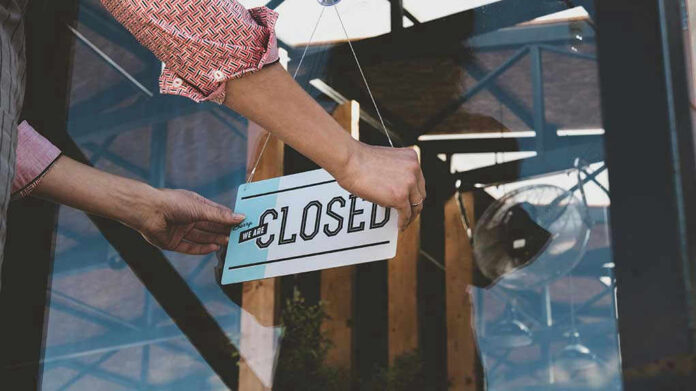
The short-term implications are already devastating. As SBA loans stall, businesses are forced to lay off workers, reduce hours, or shut their doors altogether. Federal contractors, many of whom are small firms, face halted projects and delayed payments, compounding financial strain. With federal employees furloughed and paychecks missed, consumer spending drops, putting even more pressure on Main Street. The economic ripple effects threaten to erode local economies, cause permanent business closures, and undermine job markets in communities across the nation.
In the long run, experts warn that the damage could be even greater. Small business confidence—already shaken by years of regulatory uncertainty and inflation from prior administrations’ overspending—faces another blow. Without access to capital, many entrepreneurs risk losing not only their businesses but also their ability to invest in future growth. Lower creditworthiness, reduced hiring, and diminished investment capacity could linger long after the shutdown ends, putting America’s economic recovery at risk for years to come.
Expert Consensus: Bipartisan Action Needed to End Disruption
Policy analysts, business advocacy groups, and congressional committees agree on the urgent need for a bipartisan solution. Historical precedent shows that previous shutdowns have led to similar economic disruptions, but the scale of the current SBA loan freeze is unprecedented. The consensus among experts is clear: restoring SBA programs and federal operations through a clean CR is essential to protect Main Street and ensure the continued vitality of the American economy. As industry leaders plead for swift action, the pressure mounts for Congress to put politics aside and deliver real solutions for small business owners and their employees.
While the shutdown’s immediate cause lies in partisan gridlock, the longer-term threat is government’s disregard for the very people who drive the economy. Conservative values demand accountability, limited interference, and respect for the hardworking families who form the backbone of this nation. Until Congress acts, Main Street will continue to suffer the consequences of failed leadership and misplaced priorities.
Sources:
Impact of the Trump Shutdown on Small Business Community
What is a government shutdown, and why are we likely to have another one?
What a Government Shutdown Really Means for American Businesses
Rep. Mike Johnson: Shutdown Impact on Federal Employees, Contractors, and Small Businesses