
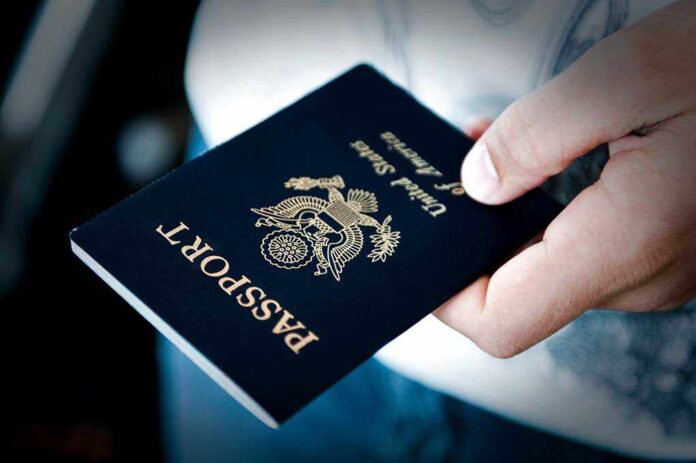
The U.S. State Department’s stern warning to avoid traveling to Venezuela comes on the heels of a high-stakes prisoner swap that has left many questioning the dynamics at play.
At a Glance
- The U.S. secured the release of 10 Americans from Venezuela in a complex prisoner swap.
- 250 alleged members of the Venezuelan gang Tren de Aragua were deported to El Salvador.
- Nicolás Maduro’s regime has a history of using detained Americans as political leverage.
- The Trump administration’s use of the Alien Enemies Act has ignited legal and ethical debates.
Prisoner Swap and Diplomatic Chess
In a geopolitical gambit straight out of a spy novel, the United States recently facilitated the release of 10 Americans from the grip of Nicolás Maduro’s regime in Venezuela. This wasn’t a simple diplomatic handshake but a full-blown prisoner swap involving El Salvador and the return of 252 Venezuelans, many of whom were alleged gang members. The Trump administration, never one to shy away from flexing its muscle, executed this swap under the watchful eyes of the world.
But let’s not gloss over the fact that these Venezuelans were deported under the use of the Alien Enemies Act of 1798—a controversial move to say the least. The legality and ethics of this decision have drawn significant scrutiny, especially given that some of these individuals were asylum seekers whose cases hadn’t even been heard yet. But in this high-stakes game of international chess, the U.S. prioritized the safe return of its citizens, and for many, that’s what truly matters.
The Human Cost and Political Games
Among the released Americans was former Navy SEAL Wilbert Joseph Castaneda, whose family has been vocal about the ordeal he suffered. Describing him as a pawn in a larger political game, they detailed the health struggles he endured while detained. This case isn’t just about international politics; it’s about real people caught in the crossfire of power plays between nations. The Maduro regime has long used detained foreigners as bargaining chips, a tactic that continues to strain U.S.-Venezuela relations.
Meanwhile, the fate of the returned Venezuelans remains uncertain. Many of them now face possible persecution or retribution upon their return, given their previous attempts to seek asylum in the U.S. It’s a stark reminder of the complexities and human costs associated with immigration policies and international diplomacy.
Implications for U.S. Policy and Values
This incident has sparked debates on multiple fronts. For one, the use of the Alien Enemies Act has raised legal eyebrows and ethical questions. Human rights organizations have condemned the mass deportations without due process, labeling it a violation of international law. On the other hand, supporters of the Trump administration view this as a testament to strong leadership and effective negotiation tactics. But at what cost?
The broader implications for U.S. policy are significant. This swap sets a precedent that may embolden authoritarian regimes like Maduro’s to use detained foreigners as leverage. It’s a dangerous game that could put more Americans at risk, and it challenges the very values of freedom and justice that the U.S. stands for.
The Road Ahead: Diplomacy and Caution
The Trump administration is portraying this swap as a diplomatic victory, a testament to prioritizing American lives. Yet, critics argue it undermines asylum protections, potentially setting a dangerous precedent for future dealings with rogue regimes. As tensions remain, the U.S. State Department’s warning against traveling to Venezuela underscores the ongoing risks for Americans abroad.
As the dust settles, the focus now shifts to the long-term impact on U.S.-Venezuela relations. While the swap may temporarily ease tensions, it does little to address the underlying issues of distrust and political maneuvering. This incident serves as a reminder of the complexities and stakes involved in international diplomacy and the delicate balance of power on the global stage.
Sources: