A BBC documentary’s misleading edit threatens to undermine public trust and media integrity, sparking a heated response from Trump supporters.
Story Highlights
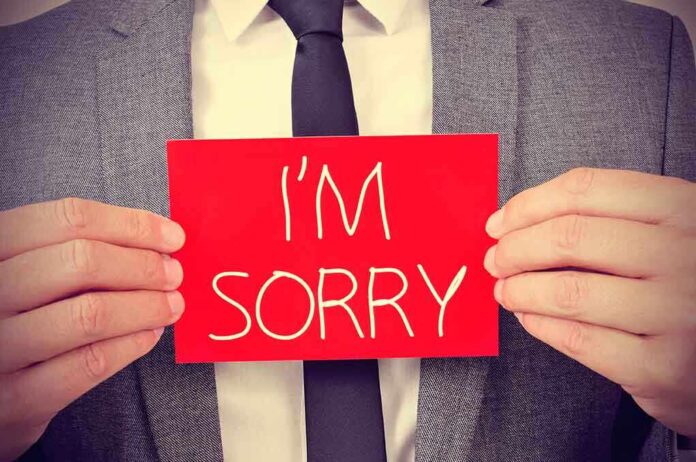
- The BBC issued an apology for editing Trump’s January 6 speech but rejected claims of defamation.
- BBC executives resigned amid the scandal, highlighting the editorial oversight failure.
- Trump’s legal team has threatened a $1 billion lawsuit over the misleading edit.
- The incident has intensified debates over media bias and accountability.
BBC’s Misleading Edit Sparks Outrage
The BBC recently faced backlash for editing Donald Trump’s January 6, 2021, speech in a way that omitted his call for peaceful protest. This edit, featured in their documentary “Trump: A Presidency on Trial,” led to accusations of deliberate bias. The BBC issued an apology, acknowledging the misleading nature of the edit but denying any malicious intent or defamation. This incident underscores ongoing concerns about media integrity and editorial responsibility.
The BBC’s decision has drawn sharp criticism from Trump supporters and media ethics advocates alike. The edit’s omission of Trump’s call for peace is seen as a critical distortion of his message. The apology, while a step towards accountability, has not quelled all concerns, particularly with the looming threat of legal action from Trump’s team. This situation highlights the delicate balance between editorial freedom and ethical responsibility in journalism.
Resignations Highlight Editorial Oversight Failure
The controversy has led to significant leadership changes within the BBC. Both Director General Tim Davyy and News Chief Deborah Turnis resigned, acknowledging the gravity of the editorial oversight failure. This leadership shakeup reflects the seriousness with which the BBC views its editorial standards. The resignations serve as a cautionary tale for media organizations about the importance of maintaining rigorous standards in political coverage.
Despite the apology and resignations, Trump’s legal team has set a deadline for further action, with a $1 billion lawsuit still on the table. The BBC’s rejection of legal liability could lead to a drawn-out legal battle, further complicating the media landscape. This ongoing saga may result in heightened scrutiny of media practices and push for reforms in editorial procedures across the industry.
The Broader Impact on Media and Politics
This incident has far-reaching implications beyond the BBC. The fallout has intensified discussions about media bias and the role of public broadcasters in political coverage. There are calls for greater transparency and accountability in media practices, especially in politically sensitive contexts. The situation also poses a challenge for other media outlets to reassess their editorial standards and ensure accuracy in political reporting.
As discussions continue, the BBC’s reputation has taken a hit, with potential long-term effects on public trust in media institutions. The incident underscores the ongoing polarization in media coverage and the critical need for balanced journalism. The outcome of this controversy could set a precedent for how media organizations handle political narratives and editorial discretion in the future.
Sources:
BBC apologizes to Trump over misleading edit of his Jan. 6 speech
BBC Issues a Humiliating Apology to Trump for Deliberately Biased Edit of His J6 Speech