
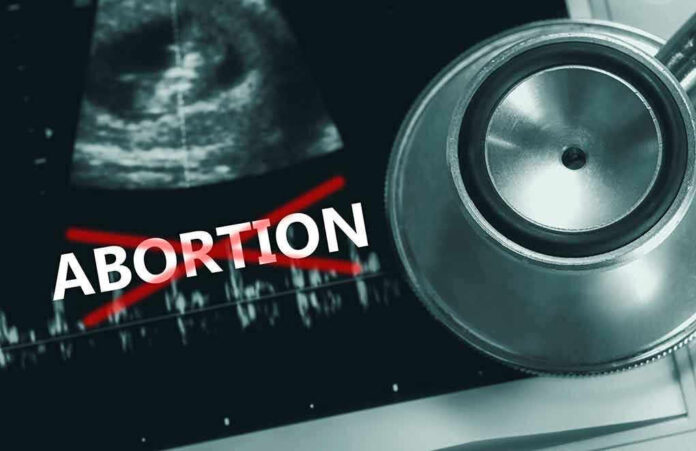
Louisiana’s latest lawsuit takes direct aim at federal mail-order abortion pill rules, challenging what conservatives see as dangerous federal overreach threatening state sovereignty and family values.
Story Snapshot
- Louisiana sues the FDA to stop mail-order abortion pills, citing state law and public safety concerns.
- The lawsuit features a plaintiff alleging harm from coerced use of mail-ordered mifepristone.
- This action follows failed Supreme Court challenges and escalates tensions between state and federal authority.
- Republican-led states intensify efforts to counteract “shield” laws and federal abortion policies post-Dobbs.
Louisiana Lawsuit Targets Federal Abortion Pill Policy
On October 9, 2025, Louisiana Attorney General Liz Murrill filed a federal lawsuit against the U.S. Food and Drug Administration, marking a new chapter in the battle over abortion access in America. The suit seeks to overturn the FDA’s 2023 policy allowing abortion pills, especially mifepristone, to be mailed to patients without in-person doctor visits. Louisiana, where abortion is banned, argues that this federal policy enables unlawful abortions and undermines the state’s strict abortion laws. The legal action includes a Louisiana woman who claims she was coerced into taking mifepristone shipped from California, providing direct evidence of alleged harm under the FDA’s rule.
The lawsuit represents a strategic move by Louisiana following a Supreme Court dismissal of a similar challenge in 2024 due to lack of standing. By including a plaintiff alleging direct harm, the state aims to address the standing issue and push the case further through the federal court system. This approach is part of a broader campaign by Republican-led states to challenge federal abortion policies and counteract “shield” laws in states that permit providers to mail abortion pills across state lines, intensifying interstate legal and political conflicts.
Federal vs. State Authority in Abortion Policy
The roots of this legal battle trace back to the COVID-19 pandemic, when the FDA temporarily lifted requirements for in-person dispensing of mifepristone, later making the change permanent in 2023. After the Supreme Court’s Dobbs decision overturned Roe v. Wade in 2022, states like Louisiana enacted near-total abortion bans and classified abortion drugs as controlled substances. Despite these restrictions, the FDA’s mail-order policy continues to allow abortion pills to reach residents in states with bans, sparking legal and political outcry from conservative policymakers concerned about federal overreach and the erosion of state sovereignty.
Louisiana’s legal efforts extend beyond the courtroom. The state has issued arrest warrants for out-of-state doctors accused of mailing abortion pills in violation of local law. In July 2025, Louisiana and other attorneys general sent a letter to Congress opposing “shield” laws in pro-abortion states, highlighting the ongoing tensions between federal regulatory authority and state-level abortion restrictions. These actions underscore the determination of Republican-led states to assert their rights and protect conservative values against what they view as unconstitutional federal mandates.
Implications for Family Values, Safety, and Medical Practice
Pro-life advocates supporting the lawsuit argue that mail-order abortion pills increase risks of coercion and abuse, undermining state bans designed to safeguard women and families. They frame the case as a defense of state law and women’s safety, emphasizing the importance of protecting vulnerable individuals from external influence and upholding traditional principles. Critics, however, warn that restricting access to medication abortion could harm women’s health and set a dangerous precedent for federal drug regulation. Medical organizations stress the essential nature of mifepristone for both abortion and other gynecological uses, cautioning against policies that could hinder access to necessary care.
Legal experts note the case’s significance for federalism, highlighting its potential to reshape the balance of power between states and the federal government post-Dobbs. The outcome could affect not only abortion access but also broader issues like telemedicine, pharmaceutical distribution, and the scope of federal regulatory authority. As the lawsuit moves forward, families, healthcare providers, and advocacy organizations on both sides remain vigilant, recognizing that the court’s decision could have lasting repercussions for American values and constitutional rights.
The lawsuit’s short-term impact includes legal uncertainty for providers and patients regarding abortion medication access in Louisiana, along with increased risk of criminal prosecution for out-of-state doctors. Long-term, if the case advances to the Supreme Court, it could establish national precedent on state versus federal authority over medication abortion. The legal battle also fuels political mobilization around abortion policy and family values, as conservative leaders and citizens demand stronger protection of state rights, the Constitution, and traditional American principles.
Sources:
Louisiana sues to stop doctors and others from mailing abortion drugs to state under FDA rule
Louisiana sues Trump’s FDA over abortion pill mailing rules
Louisiana sues Food & Drug Administration to stop mailing of abortion medication
Louisiana files lawsuit against FDA to halt mailing of abortion medication