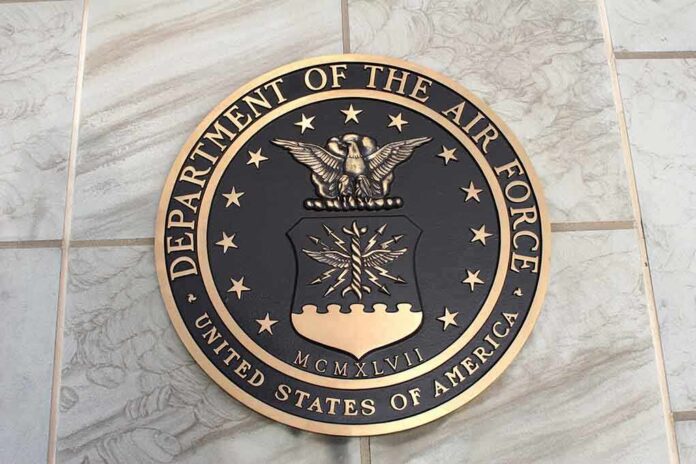
The U.S. Air Force is poised to downgrade three of its powerful four-star commands to three-star roles, marking a pivotal shift in military leadership not seen in decades and sparking debate over future readiness and American strength.
Key Points
- Three top-tier Air Force commands may be reduced from four-star to three-star leadership as part of a strategic overhaul
- Air Force leaders say the move aims to streamline command and enhance agility against near-peer threats like China and Russia
- The decision has raised concerns among senior officers about authority, morale, and the future of command careers
- This restructuring aligns with similar changes in the Army and signals a broader transformation in U.S. military posture
Air Force Restructuring to Address Great Power Threats
The Department of the Air Force announced in September 2024 that it would realign its command structure, dividing leadership into Institutional and Service Component Commands. This reorganization—part of an ongoing shift to address rising threats from adversaries like China and Russia—includes the unprecedented step of downgrading three major commands from four-star to three-star status. According to officials, this realignment is designed to improve both clarity and agility in leadership, ensuring the Air Force can respond more rapidly and decisively to global challenges. The move follows a series of incremental changes since the end of the Cold War, which left the Air Force with a fragmented and sometimes inefficient command structure. The new plan, officials say, is intended to bring focus and accountability back to the highest levels of the service, better positioning the U.S. to compete in today’s strategic environment.
The Air Force’s Chief of Staff, Gen. David Allvin, emphasized the urgency of the change, stating, “To dominate in this challenging strategic environment, we must have a force structure that is better aligned, clearly understood, and agile enough to exploit the rapid pace of change.” The September 2024 announcement came after months of internal review and consultation with Pentagon leaders, and implementation is already underway. The details of which specific commands will be affected are expected to be finalized by late 2025, but the scope and intent of the shift are clear: streamline leadership to enhance warfighting readiness and strategic focus.
Implications for Leadership, Morale, and National Security
Downgrading the rank of these major commands is a significant break from tradition. Since World War II, the most critical Air Force commands have been led by four-star generals, a reflection of their broad authority and central role in national defense. Reducing these to three-star billets could save money and reduce bureaucratic overlap, but it also introduces uncertainty for senior officers accustomed to established career paths and command prestige. Observers note that some leaders may view the changes as diminishing their influence or undermining morale, particularly among those who would have aspired to four-star roles. However, military scholars and defense experts point out that the rapid evolution of global threats demands a more nimble organization—one that can cut through layers of command and respond quickly to crises.
For Air Force personnel, especially at the senior level, the transition period may bring challenges. Adjusting to new reporting structures, redefined responsibilities, and streamlined chains of command will require strong leadership and clear communication from the top. Nonetheless, the Department of the Air Force maintains that the long-term benefits—greater agility, more focused leadership, and improved alignment with strategic priorities—outweigh the short-term disruptions. The changes come at a time when U.S. military readiness has been intensely scrutinized, especially following years of budgetary strain, rapid technological change, and concern over adversaries’ growing capabilities. The Air Force’s move is seen as a necessary, if difficult, step to ensure that America’s airpower remains second to none.
Broader Military Trends and Political Scrutiny
This sweeping realignment in the Air Force mirrors similar restructuring efforts underway in the U.S. Army, which in 2025 began consolidating commands to optimize efficiency and effectiveness. Analysts suggest that these parallel reforms across the services reflect a broader recognition in Washington: that America’s military must adapt to the realities of Great Power Competition. The goal is to shed outdated bureaucratic practices and reorient leadership for the high-speed, high-tech conflicts of the future. In the short term, some turbulence is inevitable, but in the long term, experts say these moves could result in more resilient, responsive, and effective armed forces.
Political leaders and the American public will be closely watching the outcome of these changes. The move to streamline command structures comes as many voters, especially those frustrated by the prior administration’s perceived mismanagement, demand greater accountability and efficiency in government spending. The Air Force’s restructuring is intended to deliver both operational improvements and cost savings, addressing concerns about waste, duplication, and readiness. At the same time, critics warn that the loss of senior leaders with deep institutional knowledge could create gaps that adversaries might exploit. Whether the restructuring achieves its intended results will be a key test for the Department of the Air Force—and for American military strength in the years ahead.
Expert Opinions and the Road Ahead
Military experts are divided on the potential impact of the downgrades. Some argue that empowering three-star commanders with broader authority could accelerate decision-making and reduce bureaucratic drag, making the Air Force more effective in a crisis. Others caution that the move may risk morale and retention, as the pathway to the highest leadership positions narrows. Academic analysts and professional commentators emphasize the need for organizational agility in a world where threats can emerge and escalate rapidly. The consensus among credible sources is that, while the transition will be closely scrutinized, the overarching objective of greater readiness and competitiveness is both justified and necessary.
As implementation continues through 2025, the Air Force has pledged to maintain transparency and communication with its personnel and the public. Further updates from Gen. Allvin and Secretary of the Air Force Frank Kendall are expected as the details of the new structure are finalized. Ultimately, the success of this historic restructuring will hinge on the ability of Air Force leadership to balance tradition with innovation—and to ensure that America’s airpower remains an unassailable pillar of national defense.
Sources:
Air Force Realigns to Ensure Readiness, Future Competitiveness
Hegseth Orders Sweeping Changes to Army Structure
Reoptimization for Great Power Competition