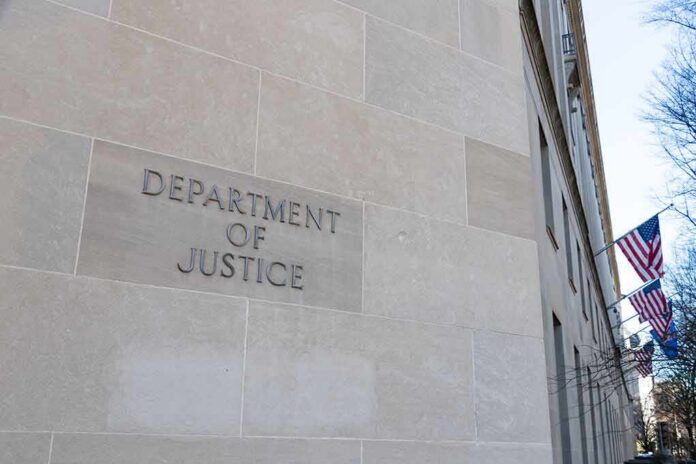
Federal prosecutors say a Michigan man threatened to kill Federal Bureau of Investigation (FBI) Director Kash Patel in a Facebook message and then vowed “deadly force” against an FBI office weeks later.
Story Snapshot
- Justice Department charged a Michigan man over threats naming FBI Director Kash Patel.
- Alleged October 8 Facebook message said Patel was “a dead mf too.”
- Local report says later calls threatened “deadly force” at an FBI office.
- Charge carries up to five years in federal prison if convicted.
What Prosecutors Say Happened
The United States Attorney’s Office for the Eastern District of Michigan charged Anthony Daniel Palazzolo on October 30, 2026. Prosecutors said he sent a Facebook message on October 8 to an associate of Patel. The message stated he had “put a hit out” on the associate and that Patel was “a dead mf too.” The Justice Department said agents arrested Palazzolo, and he appeared in federal court, where a judge ordered temporary detention pending further proceedings.
Prosecutors charged Palazzolo with interstate communications involving threats, a felony under federal law. The offense covers serious threats sent across state lines using phones, social media, or other systems. The reported maximum penalty is five years in prison. The filing places the case in federal court, not state court, because the alleged messages used electronic systems that cross state borders and targeted a federal official, the head of the FBI.
Alleged Escalation After FBI Contact
After agents interviewed Palazzolo, local coverage reported that he continued to contact an FBI agent. According to ClickOnDetroit, he allegedly threatened to come to the Detroit FBI office and “use deadly force against every single one of you government officials — FBI Secret Service will all be f****** killed.” The report said these calls came after the initial Facebook message and raised concern about safety for federal personnel working at the office.
News reports described statements in the criminal complaint that Palazzolo acknowledged sending the threatening message and apologized, saying he had no intent to harm anyone. While an apology can provide context, an arrest is only an allegation, and guilt must be proven in court. The courtroom process will test whether the words meet the legal standard for a true threat and whether he acted with the required mental state.
How The Law Views Threats And Why This Case Matters
United States Supreme Court precedent holds that prosecutors must show the speaker had some understanding that the words were threatening, with recklessness as the floor. That means the person must have been aware of a serious risk that the words would be taken as a threat and ignored that risk. Courts also look at context, wording, and any actions that follow the statements when weighing criminal liability.
Threats against public officials have been rising for years, according to research. A review by the Combating Terrorism Center found the average number of federal threat charges rose from 38 per year in 2013–2016 to 62 per year in 2017–2022. Researchers say harassment and threats can chill public service even when violence does not occur. This broader trend forms the backdrop for high-profile cases, including threats against national security and law enforcement leaders.
Sources:
thegatewaypundit.com, cnn.com, hindustantimes.com, newsghana.com.gh, rawstory.com, detroitnews.com
© conservativesense.com 2026. All rights reserved.