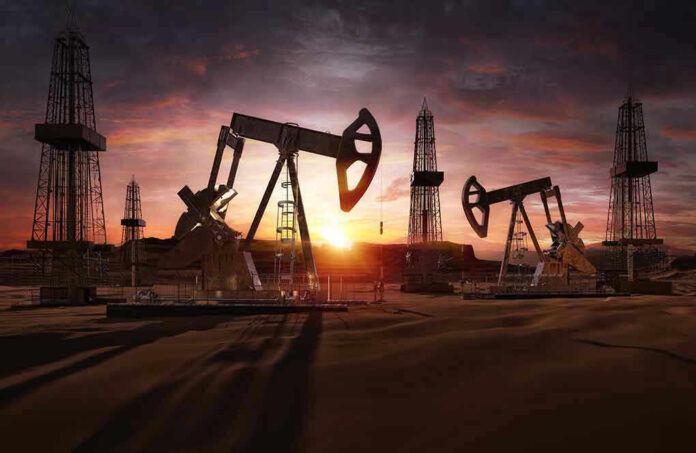
The federal government is now dipping into America’s emergency oil reserves—again—this time to bail out ExxonMobil after a refinery shutdown caused by contaminated crude, raising questions about who the Strategic Petroleum Reserve really serves and what’s left for genuine national emergencies.
At a Glance
- The Department of Energy is releasing 1 million barrels of oil from the Strategic Petroleum Reserve to ExxonMobil’s Baton Rouge refinery.
- A zinc contamination traced to Chevron’s new deepwater field forced Exxon to halt purchases from the crucial Mars pipeline, threatening fuel supply for the Gulf Coast.
- The emergency release comes as regional oil inventories hit seven-year lows, with the DOE claiming it’s needed to stabilize fuel supplies in Louisiana and beyond.
- This rare use of the SPR for refinery-specific quality issues exposes both infrastructure vulnerabilities and the growing politicization of America’s energy safety net.
DOE Taps Emergency Oil Reserves to Rescue ExxonMobil—But at What Cost?
President Biden was quick to tap the Strategic Petroleum Reserve for political cover when gas prices soared, and now the Department of Energy is at it again—this time shoveling 1 million barrels of America’s emergency oil stockpile straight into ExxonMobil’s Baton Rouge refinery. The move, announced July 11, is intended to paper over the latest in a string of energy supply fiascos: a batch of Mars crude so tainted with zinc that Exxon had to shut its doors to the stuff, threatening gasoline supplies for the Gulf Coast and beyond. The Biden administration says this is a “targeted exchange” to keep the fuel flowing, but to anyone paying attention, it’s further proof of how broken our energy and emergency management priorities have become. Is the SPR now Exxon’s personal backup tank, or is it still supposed to be America’s last line of defense for real national crises?
For decades, the SPR was sacrosanct—an untouchable cache meant to shield the nation from foreign oil embargoes, wars, or natural disasters. But the latest release is not about hurricanes, wars, or anything remotely national. It’s because a single batch of oil from Chevron’s brand-new Ballymore field poisoned the Mars pipeline with zinc, a refinery killer that can cripple the machinery needed to make gasoline and diesel. ExxonMobil’s Baton Rouge plant, which supplies a hefty chunk of the Gulf Coast’s fuel, had no choice but to stop taking Mars crude. With regional inventories scraping the bottom, the DOE stepped in not just to bail out Exxon but to keep the lights on for the entire Louisiana fuel market. The message is clear: one pipeline hiccup, and America is already down to scrambling for reserve oil.
A Dangerous Precedent: Strategic Reserves for Corporate Blunders?
The government’s response is being hailed by some as a nimble act to prevent price spikes, but let’s call this what it really is—a dangerous precedent. Historically, the SPR was only tapped for broad, national emergencies: hurricanes that decimated Gulf Coast refineries, wars in the Middle East, and global supply shocks. Now, with this latest move, the Biden administration is signaling that any operational mishap at a single refinery—however big—can justify draining the country’s emergency oil supply. This wasn’t a terrorist attack or a hurricane; it was a quality control problem caused by a new oil field startup. If every corporate misstep gets a million-barrel handout, what will be left in the reserves when a true national emergency strikes?
The Mars pipeline incident exposed just how brittle America’s energy supply chain has become. With Canadian wildfires, Mexican export cuts, and pipeline reroutes already squeezing Gulf Coast supplies, the region was teetering on the edge. Exxon’s Baton Rouge plant, one of the nation’s largest, going partially offline threatened to tip the whole market. But using the SPR as a corporate safety net is a slippery slope—one that invites more government overreach, more market distortion, and less accountability for the very companies that are supposed to keep America’s lights on.
Who Pays When Government Bails Out Big Oil?
The real losers in this saga are the American taxpayers and consumers. Every barrel drained from the SPR to patch up a refinery’s operational hiccup is a barrel that’s not available when the next hurricane slams the Gulf or a foreign adversary cuts off supply. The reserve is already at its lowest level in decades, thanks in large part to politically motivated releases. Now, with inventories at a seven-year low, the administration is content to use what’s left to save face and keep the pumps running in an election year. Gulf Coast communities may get temporary relief at the gas station, but the broader message is unmistakable: government has become a band-aid for corporate America’s mistakes, and it’s the taxpayer who foots the bill—again.
Meanwhile, industry experts are warning that the real problem isn’t just a bad batch of oil, but a system that has let itself become hostage to single sources and fragile supply chains. The Mars pipeline provides the perfect crude for Gulf Coast refineries, but when something goes wrong, there’s no backup plan. Instead of investing in true energy security—more infrastructure, better quality controls, and a diversified supply—the government’s answer is to raid the emergency fund. And when the next real crisis hits, don’t be surprised if there’s nothing left.