Iran tried to choke off the world’s most critical oil corridor—and the U.S. just forced it back open.
Quick Take
- Secretary of War Pete Hegseth said “Project Freedom” has cracked Iran’s months-long hold over the Strait of Hormuz by establishing a protected shipping corridor.
- U.S. forces intercepted six Iranian ships attempting to run the American counter-blockade while U.S. destroyers transited the strait amid attacks.
- Roughly 1,550 vessels and 22,500 mariners had been trapped in the Arabian Gulf as the crisis escalated through late April.
- The operation highlights how quickly a regional conflict can hit U.S. pocketbooks through oil prices, shipping costs, and inflation pressure.
Project Freedom’s Core Mission: Reopen Shipping Without Expanding the War
Secretary of War Pete Hegseth announced on May 5 that a U.S.-led operation called “Project Freedom” has broken Iran’s grip on the Strait of Hormuz, a narrow chokepoint that carries about 20% of global oil flows. U.S. officials described a protective corridor backed by destroyers, aircraft, and drones, framing the mission as temporary and focused on commercial transit rather than broader combat operations.
U.S. officials said the operation included intercepting six Iranian ships that tried to run the American counter-blockade, a sign the conflict has shifted from threats and harassment into direct contests of maritime control. Reports also described U.S. destroyers—including the USS Truxtun and USS Mason—successfully transiting the strait amid Iranian barrages in early May, a tactical milestone that matters because credibility at sea often determines whether commerce resumes.
How the Strait Became Leverage: Escalation, Ceasefire Friction, and Mutual Blockades
The current crisis grew out of the 2026 U.S.-Iran war after U.S. and Israeli strikes on Feb. 28 assassinated Iran’s Supreme Leader Ali Khamenei, followed by Iran’s blockade of the strait. A ceasefire period did not stabilize the situation; Islamabad talks failed in mid-April, and the U.S. imposed a naval blockade aimed at Iranian ports and shipping. Iran briefly reopened the strait during a Lebanon truce, then re-closed it.
Conflicting public claims have complicated accountability. President Trump said in early March that the Iranian military was “destroyed” and that the strait had reopened, but subsequent reporting described ongoing Iranian control and continued disruptions. That mismatch matters for Americans trying to judge progress because the “reopened” label can be used politically even when insurers, shippers, and crews still see elevated risk and refuse to move without credible protection.
The Human and Economic Stakes: Trapped Mariners, Volatile Oil, and Inflation Pressure
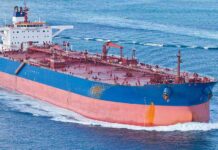
Commercial shipping bore the brunt of the standoff. Reporting cited roughly 1,550 vessels and 22,500 mariners trapped in the Arabian Gulf as Iran harassed vessels and expanded attacks, including strikes involving the UAE. Even before any official embargo, a de facto closure of Hormuz can spike costs through rerouting, delays, and war-risk premiums that ripple into consumer prices. That’s why restoring predictable transit is more than symbolism.
What “Temporary” Really Means: Deterrence Requires Staying Power
U.S. officials cast Project Freedom as limited and temporary, but the facts on the water suggest an endurance test. Iran has a long record of threatening Hormuz closures and relying on asymmetric tactics such as drones, small boats, and proxy pressure when outmatched in conventional naval power. If escort operations lapse, private shipping may again hesitate, and Iran may conclude it can wait out American attention—especially if allies stay on the sidelines.
The U.S. Just Cracked Iran’s Months-Long Blockade of the Strait of Hormuzhttps://t.co/txdKoD5EjI
— 19FortyFive (@19_forty_five) May 5, 2026
For conservatives frustrated by years of elite mismanagement, this episode also lands as a reminder that energy security is national security. When a single chokepoint can jolt global prices, Americans quickly feel it at the pump and in groceries—regardless of party. The strongest takeaway from the available reporting is narrow but important: reopening lanes is achievable with decisive force, yet keeping them open requires disciplined policy, clear objectives, and honesty about what is—and isn’t—resolved.
Sources:
https://www.cbsnews.com/live-updates/iran-war-trump-strait-of-hormuz-ships-uae-attacked/
https://en.wikipedia.org/wiki/2026_United_States_naval_blockade_of_Iran