President Trump declared the Strait of Hormuz “open and operating” as Iran haggles over conditions, exposing Tehran’s growing strain under U.S. pressure.
Story Snapshot
- Trump says no talks with Iran as he asserts Hormuz is open and mines cleared.
- Tehran ties full reopening to U.S. concessions, signaling leverage is slipping.
- U.S. sanctions and blockade intensify economic pressure on Iran.
- Analysts say Iran’s economy adapts but remains under heavy stress.
Trump’s Claim and the Strait at the Center of the Standoff
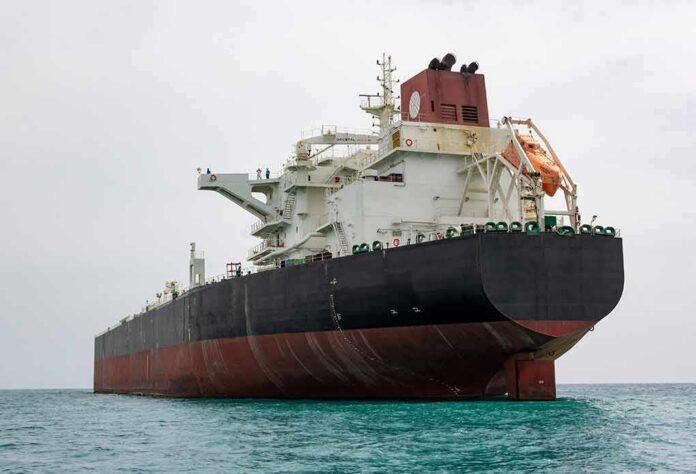
President Trump said on August 18 that the Strait of Hormuz is “open and operating,” with all water mines removed or detonated, and that no talks with Iran are underway. Iranian voices have pushed back, claiming control and disputes over status, but the shipping chokepoint remains the pressure valve of this crisis. Control of this narrow passage matters for global fuel costs and for America’s energy security. Trump’s message signals resolve while keeping leverage on Tehran.
Reuters reported Iran and the United States have issued competing claims over Hormuz, even as Trump maintains a naval blockade policy to restrict Iran’s reach. That blockade, paired with financial measures, has boxed in Tehran’s options. The White House’s core bet is simple: hold the line at sea, squeeze the regime’s cash, and force choices that cut off funding for terror proxies. That strategy keeps American sailors in the lead rather than reactive.
Tehran’s Conditions Reveal Pressure Points
Iran has tried to set terms for a reopening, linking normal shipping to U.S. concessions, including sanctions relief and changes in regional posture. Those demands read less like strength and more like bargaining from a cornered player. When an adversary moves goalposts, it often means pressure is working. For Americans paying high energy bills, a safe and open Hormuz is not politics; it is the difference between steady gas prices and another painful spike.
Trump answered Tehran’s conditions with firm counter-demands and a vow to keep maximum pressure, including a “financial offensive” aimed at Iran’s networks and partners. Financial power beats endless war when used well. Cut the regime’s cash flows, and you limit missiles, drones, and proxy raids that threaten U.S. troops and allies. This is the constitutional way to project strength: Congress funds the tools, the Commander in Chief uses them to defend American interests without surrendering to globalist drift.
Is Iran “Completely Collapsing”? What the Record Shows
Trump’s “collapsing” line reflects visible stress: rationing, currency pain, and shrinking access to hard cash. Analysts describe a “survival economy” that shifts burdens onto households while keeping the machinery of the state running. That picture supports real damage but also shows Tehran adapting to stay afloat. It means pressure is biting, even if the regime has not fallen. The right read for readers: the United States is grinding down Iran’s capacity, step by step, without giving ground.
Skeptics note that intelligence assessments have said the regime is not at imminent risk of collapse, which cautions against declaring total victory too soon. That does not weaken the goal of keeping Hormuz open and Iran contained. It reminds us victory often looks like steady, tight policy, not one big headline. Hold the line at sea, hammer the money, and keep allies honest on sanctions. Patience and strength protect families at home and avoid another forever war.
Energy Security, Household Costs, and America’s Leverage
Congressional research warns that a prolonged disruption in Hormuz would create oil market stress with no real precedent, testing emergency plans to their limits. That is why keeping traffic moving is vital. Every cleared lane and every neutralized mine protects U.S. drivers, truckers, and small businesses. Stability at this chokepoint also strengthens America’s hand against the green ideology that drove up costs and undercut domestic energy. Secure seas plus strong U.S. oil and gas means lower prices and a safer country.
Trump’s posture aligns with core conservative priorities: peace through strength, energy independence, and zero tolerance for regimes that threaten our troops and allies. Iran’s demands show it is feeling the clamp. Expert voices show the system has not fully broken. Both can be true. The mission now is clear: keep Hormuz open, keep the money squeeze tight, and refuse lopsided deals. That is how you defend the Constitution, protect families’ budgets, and stop bad actors without sending America into another costly conflict.
Sources:
redstate.com, aljazeera.com, theguardian.com, cnn.com, reuters.com
© conservativesense.com 2026. All rights reserved.