Iran and Israel paused strikes after exchanging the first direct fire since the truce, underscoring how a fragile ceasefire can unravel in hours and drag America’s interests back toward the brink.
Story Highlights
- Iran launched missiles at Israel for the first time since the ceasefire; Israel reported most were intercepted [3][4].
- Israel struck targets tied to Iranian air defenses in response, continuing a tit-for-tat pattern reported by multiple outlets [1][4][5].
- President Trump urged both sides to “stop shooting,” signaling Washington’s push to halt escalation [4][7].
- Conflicting chronologies and broadcast-driven sourcing leave open questions about who broke the truce first [3][4][5].
First Direct Fire Since Truce Tests A Shaky Calm
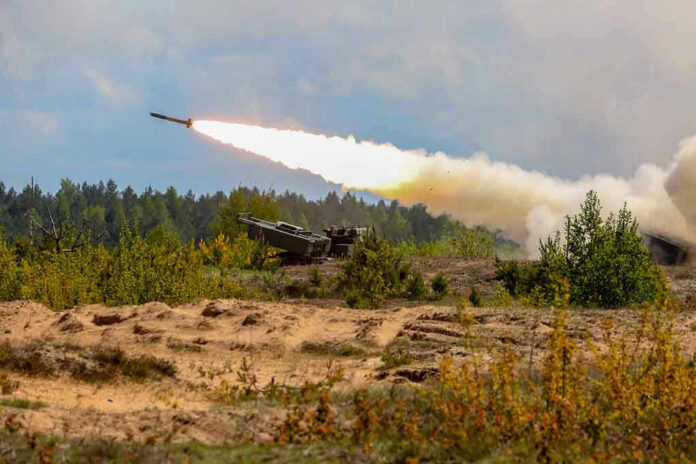
News outlets reported Iran fired ballistic missiles at Israel for the first time since the ceasefire, reviving a high-threat environment across the region. Correspondents said Israel’s air-defense network intercepted most incoming missiles, limiting damage and casualties while highlighting an active, ongoing threat picture for Israeli cities and bases [3][4]. The exchange marked the most serious confrontation since the truce began, demonstrating how ceasefires in this conflict can fray quickly when rockets, interceptions, and retaliatory raids occur in tight succession [3].
CBS and NBC coverage described an Israeli response that targeted Iranian air defenses rather than population centers, consistent with an attempt to blunt future launches and preserve deterrence. Israeli military officials, as paraphrased in broadcast reports, said fighter jets struck those defense sites after Iran’s missile fire, situating the action within a retaliatory framework rather than an unprovoked first strike [4][3]. This account aligns with multiple reports that cast the episode as a tit-for-tat exchange, not a one-sided attack [1][4][5].
Competing Narratives And A Fragile Ceasefire
Reuters-style roundups and live television segments emphasized a reciprocal escalation narrative, but they also revealed gaps that matter for accountability and public judgment. Outlets differed on which action triggered the sequence, with some framing Israel’s strikes as retaliation for Iran’s launches and others highlighting Iranian claims of responding to Israeli operations in Lebanon, introducing chronological uncertainty [5][3]. The result is a contested public record that weakens any definitive claim about the first breach of the ceasefire in this incident [4].
The ceasefire itself was portrayed as fragile and frequently strained by adjacent fronts, especially Lebanon, where Iranian-aligned Hezbollah activity and Israeli counterstrikes have simmered. Reporters called the truce tenuous and repeatedly violated, a context that complicates clear attribution when cross-border fire escalates within hours. That background helps explain why both sides lean on defensive or retaliatory framing while independent confirmation of targets, proportionality, and military necessity remains limited in initial broadcasts [3][1].
Trump’s Message: Halt The Shooting, Prevent A Wider War
President Trump publicly urged Israel and Iran to “immediately stop shooting,” placing the weight of the White House behind de-escalation amid confused battlefield narratives. His call implicitly recognized two active combatants and pressed both to stand down before the cycle slipped into wider conflict that could endanger American forces, shipping, and allies across the region [4][7]. The administration’s message aimed to cool tempers quickly while diplomatic channels worked to stabilize the ceasefire’s shaky edges [4].
Israel and Iran appear to be stepping back from the brink — for now.
After trading direct strikes for the first time since an April ceasefire, both sides have signaled a pause in military operations while warning that any new attack could trigger another round of retaliation.…
— August 9 (@Anugwo_N) June 8, 2026
For Americans who value peace through strength and constitutional oversight of war powers, two points matter. First, broadcast reports suggest Israel’s defenses performed, intercepting most missiles, which validates continued investment in layered missile defense and allied cooperation [4]. Second, unresolved facts about initial triggers and target sets argue for disciplined verification before policy shifts or aid changes, ensuring U.S. support remains grounded in clear self-defense standards and accountable use of force—principles conservatives expect from any partner [3][5][1].
What To Watch Next: Verification, Deterrence, And Limits
Key gaps remain: there is no publicly available, primary-source strike authorization from Israel, no detailed damage assessment, and no independent forensic review of sites hit on either side in the reporting cited. Those absences leave room for rival spin and miscalculation. Conservatives should press for document-backed clarity—target lists, legal opinions, and satellite imagery—to confirm that responses stayed narrowly focused on military objectives and deterred further aggression without dragging Americans toward another open-ended Middle East commitment [3][4][5][1].
Sources:
[1] Web – New Iran and Israel Strikes Threaten Ceasefire; Trump Tells Both Sides …
[3] Web – Twelve-Day War ceasefire
[4] YouTube – US and Iran exchange strikes in latest test of fragile ceasefire
[5] YouTube – Trump tells Israel and Iran to “immediately stop ‘shooting’ …
[7] Web – 12-Day War (June 2025) | Strike, Ceasefire, Attack, Nuclear …
© conservativesense.com 2026. All rights reserved.